Content Menu
● What Makes a Utility Golf Cart Different?
● Best Utility Golf Carts: Options Worth Comparing
>> Club Car Carryall 500 Lithium: A General-Purpose Benchmark
>> Cushman Hauler PRO-X: Clearance for Uneven Property Routes
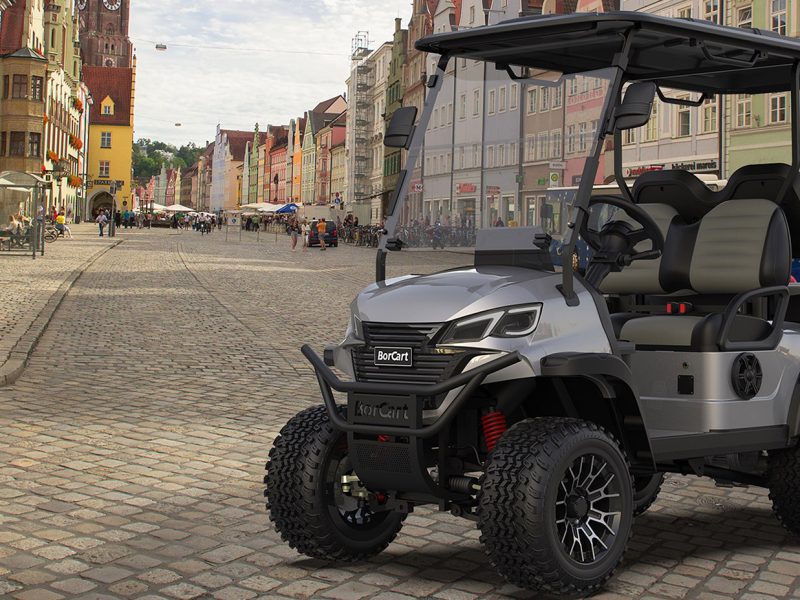
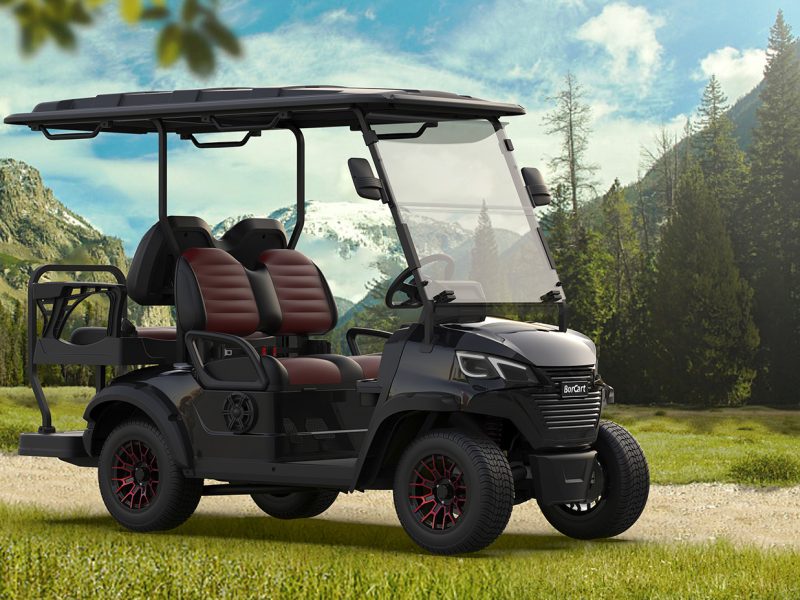
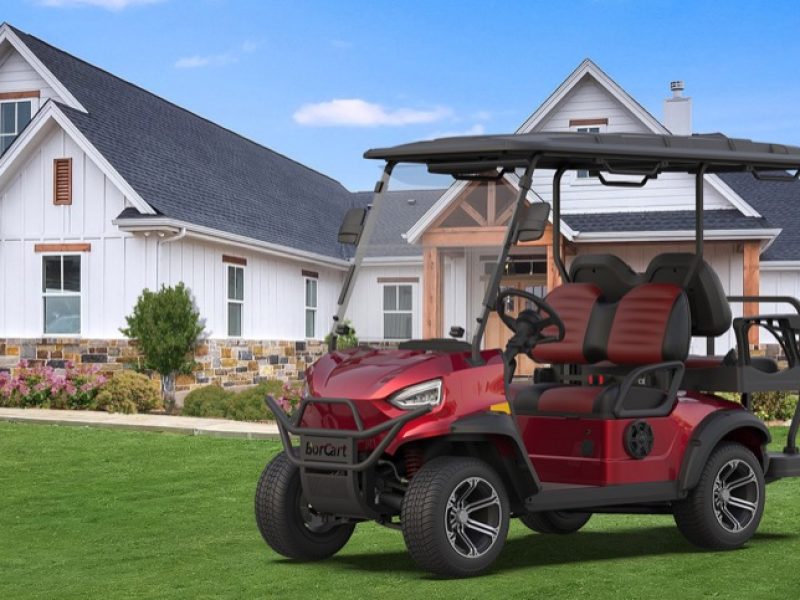
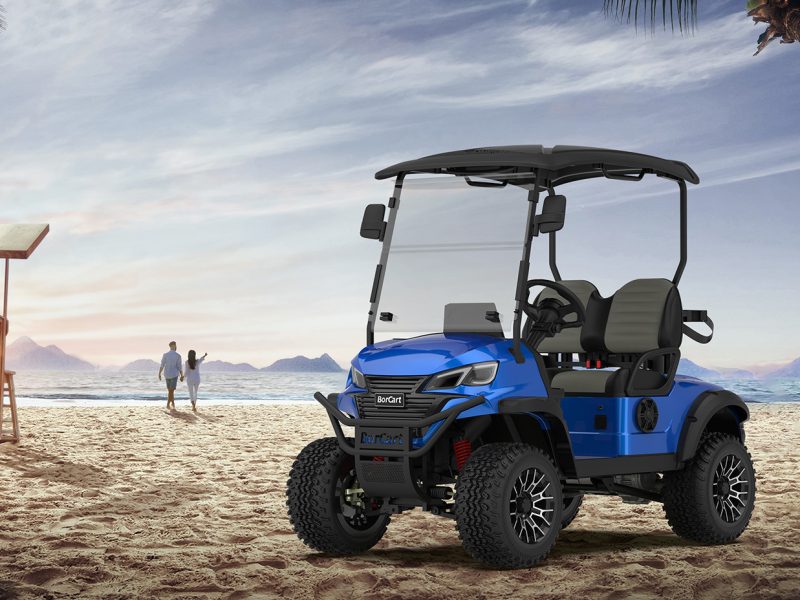
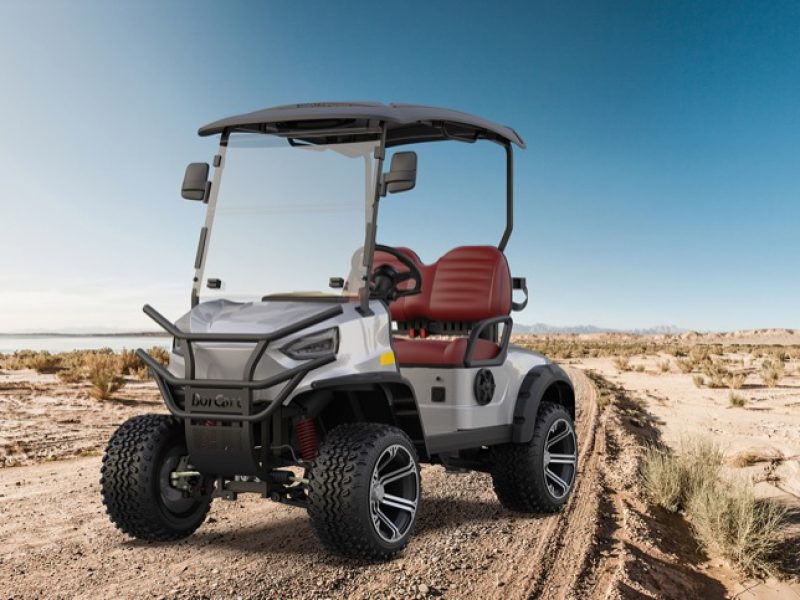
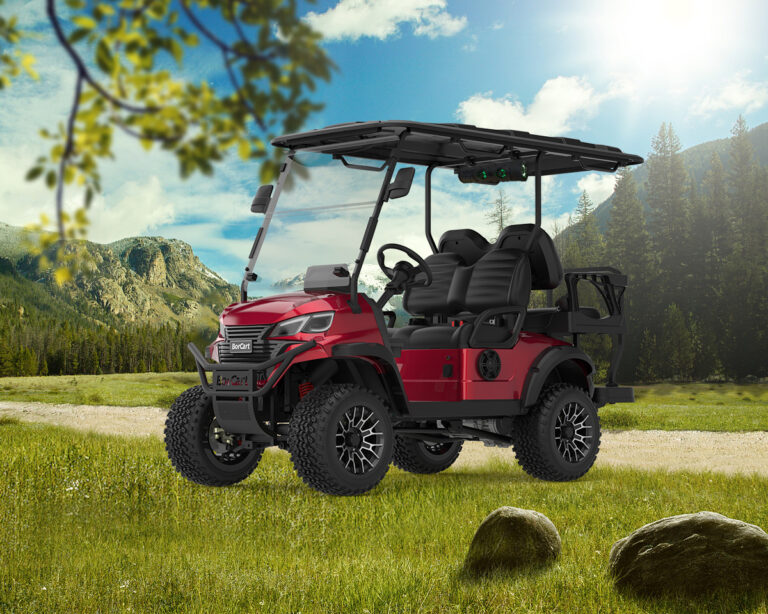
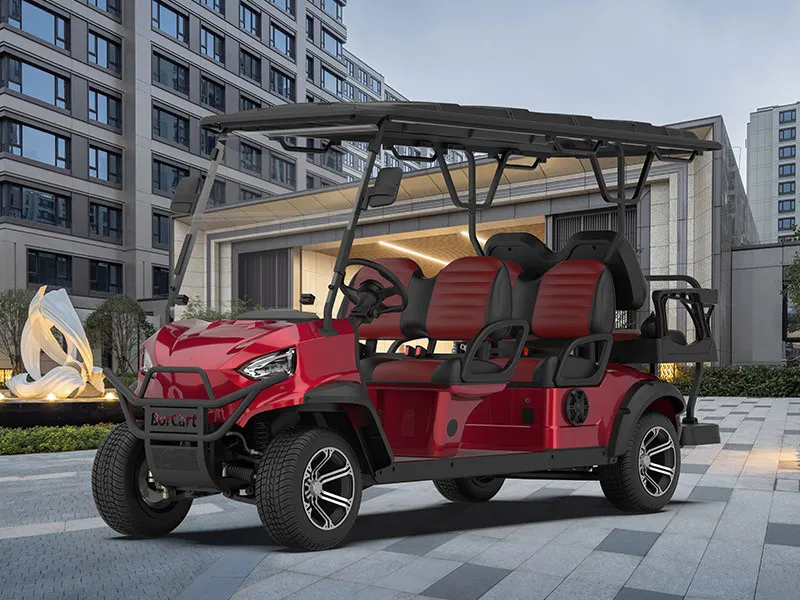
>> BorCart: A Custom Electric Utility Cart Approach
● How to Choose the Right Cargo Capacity
>> Separate Bed Capacity, Total Payload, and Towing
>> Match Cargo Dimensions to the Work
● Electric Utility Golf Carts: Battery Selection That Fits the Shift
>> Compare Battery Energy, Not Voltage Alone
>> Validate Range on Your Actual Route
● Match the Vehicle to the Property
● What Do Utility Golf Carts Really Cost?
>> Build a Five-Year Cost Comparison
● A Practical Acceptance Test Before Fleet Delivery
>> 1. Inspect the Finished Configuration
>> 2. Test a Representative Load
>> 4. Confirm Charging and Service Readiness
● OEM/ODM Customization: Specify the Job Before the Appearance
● Can Utility Golf Carts Be Used on Public Roads?
● Build a Utility Fleet Around Your Daily Work
>> What is the best utility golf cart for property maintenance?
>> Is lithium always better than lead-acid?
>> Can a utility golf cart carry passengers and cargo together?
>> Are electric utility golf carts suitable for farms?
>> What should I send a custom utility cart manufacturer?
>> Should customer reviews influence fleet selection?
The best utility golf carts are not necessarily the fastest models or those with the largest cargo beds. They are the vehicles that move your actual loads, complete your daily routes, and remain practical to maintain. For resorts, golf courses, campuses, and agricultural properties, choosing an electric utility golf cart starts with understanding the job.
At Guangzhou BorCart Electric Vehicle Co., Ltd., our focus is four-wheel low-speed electric vehicles and OEM/ODM customization. Drawing on the 26 years of industry experience described in our company background, we approach selection from a manufacturing perspective: define the duty first, then specify the vehicle.
This guide compares useful commercial options and explains how to evaluate payload, batteries, operating costs, and custom configurations without relying on a universal “best” ranking.

What Makes a Utility Golf Cart Different?
A utility golf cart prioritizes work rather than passenger transport alone. Depending on its configuration, it may include a cargo bed, tool storage, towing equipment, or a purpose-built service body.
However, fitting a cargo box to a passenger cart does not automatically create a capable commercial work vehicle. Chassis ratings, braking, suspension, tires, and weight distribution must support the finished configuration.
Typical applications include:
- Moving maintenance equipment around golf courses.
- Delivering housekeeping supplies across resorts.
- Transporting tools through campuses and industrial parks.
- Carrying agricultural supplies along suitable property routes.
- Supporting patrol and site-service teams.
For severe off-road work, deep mud, or demanding towing, compare purpose-built utility terrain vehicles as well. A compact electric work cart is not a substitute for every agricultural or industrial machine.
Best Utility Golf Carts: Options Worth Comparing
The following shortlist separates established production models from a custom-manufacturing approach. It is a specification-based comparison, not a claim of independent road testing.
| Option | Suitable purchasing priority | Published specifications or scope | Main consideration |
|---|---|---|---|
| Club Car Carryall 500 Lithium | General property maintenance | 800 lb bed capacity; 1,200 lb total payload; 48V AC drivetrain | Confirm the exact battery and installed equipment |
| Cushman Hauler PRO-X | Maintenance routes needing additional clearance | 500 lb bed capacity; 900 lb vehicle load capacity; lithium power | Lifted suspension does not increase the published load rating |
| Cushman Hauler 800 ELiTE | Compact, lighter-duty hauling | 400 lb bed capacity; 800 lb vehicle load capacity | Check whether the smaller cargo allowance fits daily work |
| BorCart custom electric utility vehicles | Application-specific bodies and branded fleets | OEM/ODM development for cargo, patrol, and multipurpose applications | Obtain configuration-specific specifications and approval documents |
Club Car Carryall 500 Lithium: A General-Purpose Benchmark
The Carryall 500 provides a useful benchmark because its specification sheet separates cargo-bed capacity from total payload.
Its published bed capacity is 800 lb, while total payload is 1,200 lb. The lithium configuration uses a 48V three-phase AC drivetrain, with listed 7.0 kWh and optional 4.1 kWh battery configurations.
For buyers, the important question is not simply whether the cart can carry “1,200 pounds.” It is whether the proposed combination of occupants, accessories, and cargo fits every applicable limit.
Cushman Hauler PRO-X: Clearance for Uneven Property Routes
The Hauler PRO-X combines lithium power with lifted suspension and rugged tires. Its published specifications include 5.5 inches of ground clearance, a 500 lb bed rating, and a 900 lb vehicle load rating.
It is worth considering where ordinary property routes include uneven surfaces. Nevertheless, additional clearance does not establish suitability for steep slopes, deep ruts, or unrestricted off-road use.
Ask for operating limits that match your route.
BorCart: A Custom Electric Utility Cart Approach
A standard model may not accommodate an unusual service body, branded fleet layout, or specialized workflow.
BorCart develops and manufactures electric golf carts, sightseeing buses, cargo vehicles, patrol vehicles, and multipurpose work vehicles. Our OEM/ODM approach is relevant when buyers need a configuration shaped around their operations rather than a standard retail package.
Customization should begin with measurable requirements. Battery capacity, load ratings, dimensions, warranty coverage, and destination-market documentation must be confirmed for the proposed vehicle—not assumed from another model.
How to Choose the Right Cargo Capacity
Separate Bed Capacity, Total Payload, and Towing
These figures describe different limits:
- Bed capacity concerns the load permitted in the cargo bed.
- Total payload concerns the vehicle’s allowable carried load under the manufacturer’s definitions.
- Towing capacity concerns an approved trailer arrangement, subject to operating restrictions.
Never treat towing capacity as extra cargo capacity.
For example, two 180 lb occupants and 500 lb of cargo create an 860 lb carried load before accounting for other applicable equipment. That combination may fit a particular vehicle’s total payload allowance while leaving little margin.
It must also satisfy the bed rating, axle limits, tire ratings, and loading instructions.
Match Cargo Dimensions to the Work
A long bed can accommodate bulky items without necessarily supporting heavier loads.
Before ordering, measure:
- Your largest routinely transported item.
- The usable bed opening and floor dimensions.
- Tailgate access and loading height.
- Available tie-down positions.
- Clearance beneath doors, canopies, and storage structures.
For liquid tanks and tall equipment, discuss load movement and center of gravity with the manufacturer. A load that fits physically may still be unsuitable operationally.
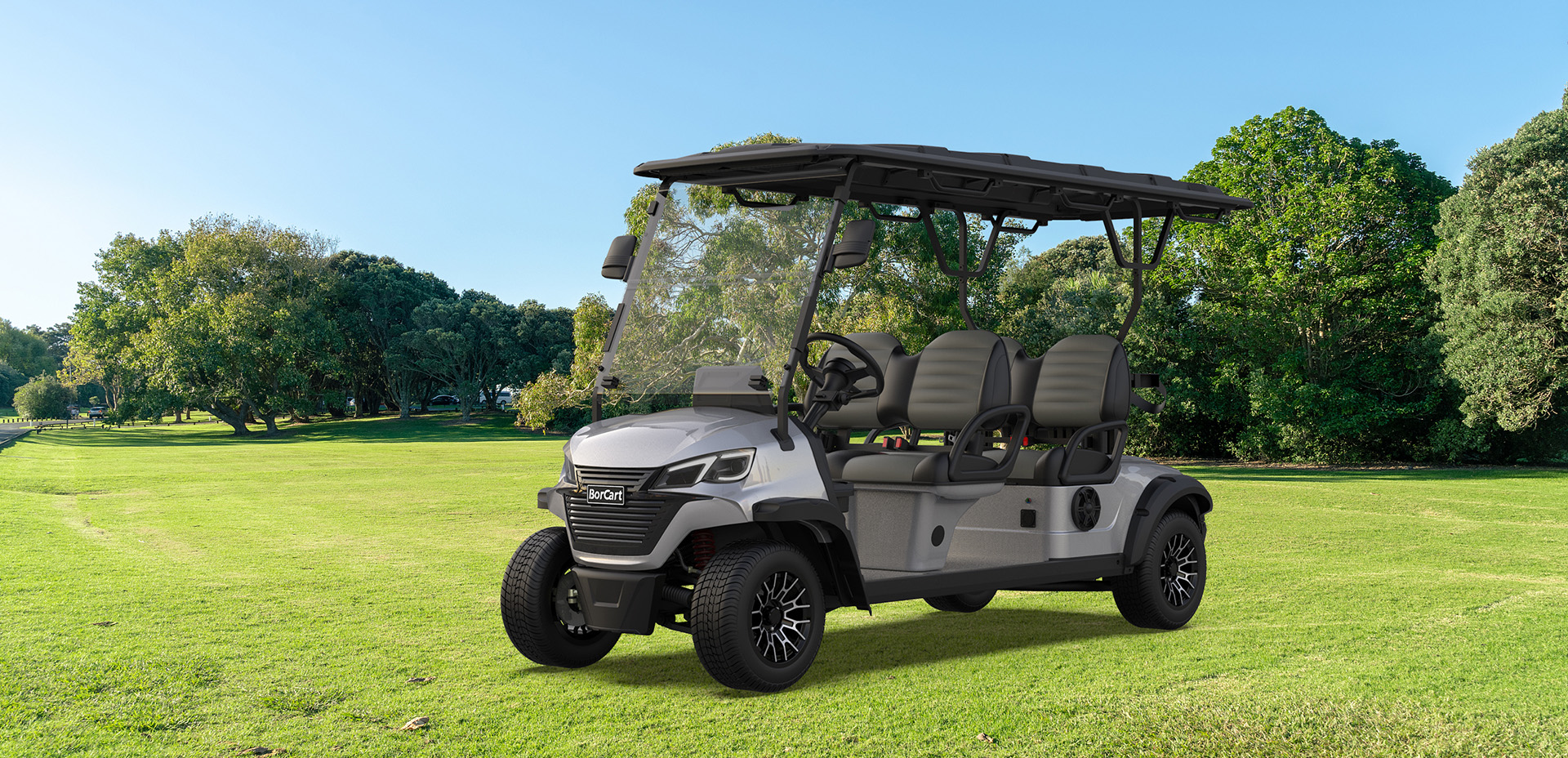
Electric Utility Golf Carts: Battery Selection That Fits the Shift
Battery selection should start with the route, workload, and charging schedule—not a headline mileage claim.
Compare Battery Energy, Not Voltage Alone
Voltage does not tell you how much energy a battery stores. Request the pack’s rated energy in kilowatt-hours, together with usable-energy information and operating restrictions.
Also ask about:
- Charger compatibility and local electrical supply.
- Battery-management-system protections.
- Approved charging temperatures.
- Warranty exclusions and replacement availability.
- Diagnostic access and service procedures.
Lithium batteries avoid the watering associated with flooded lead-acid batteries. They do not make the entire vehicle maintenance-free.
Brakes, tires, suspension, connectors, and charging equipment still require attention.
Validate Range on Your Actual Route
A lightly loaded demonstration on flat pavement does not establish performance for a full working shift.
Record distance, passenger count, cargo, gradients, stops, and accessory use. Then ask the supplier to propose a battery configuration against that duty cycle.
Where possible, conduct a loaded trial. Record starting and finishing charge levels, ambient conditions, and any performance restrictions.
Keep an operating reserve appropriate to your site rather than planning around complete battery depletion.
Match the Vehicle to the Property
| Operating environment | Priorities | Questions to resolve |
|---|---|---|
| Golf course | Turf suitability, tool storage, controlled loading | Will tires and turning behavior suit sensitive areas? |
| Hotel or resort | Cargo security, appearance, loading access | Can staff complete deliveries without obstructing guests? |
| Campus or industrial park | Maneuverability, visibility, repeatable routes | Does the vehicle fit gates and loading areas? |
| Agricultural property | Surface conditions, weather exposure, load restraint | Are routes within approved slope and traction limits? |
| Patrol operation | Visibility, communications equipment, seating | How will accessories affect energy use and load allowance? |
For enclosed facilities, electric propulsion avoids vehicle tailpipe exhaust. However, indoor suitability still depends on site rules, pedestrian separation, ventilation arrangements for charging, and applicable workplace requirements.
Do not assume that every electric cart is approved for every indoor environment.
What Do Utility Golf Carts Really Cost?
Purchase price is only one part of ownership.
As a current market reference, Cushman lists the Hauler PRO-X at a starting MSRP of $15,892 on its product page. This is not a universal transaction price or an equivalent quotation for another configuration.
Taxes, transport, accessories, destination charges, and local support can change the final amount.
For imported custom vehicles, compare quotations on matching delivery terms. An ex-factory price cannot be compared directly with a locally delivered, commissioned vehicle.
Build a Five-Year Cost Comparison
Request comparable estimates for:
- Vehicle and installed equipment.
- Freight, duties, and commissioning.
- Charging installation and electricity.
- Scheduled maintenance and consumables.
- Battery replacement scenarios.
- Spare-parts inventory.
- Downtime and backup capacity.
- Expected residual value.
Divide projected ownership cost by expected productive operating hours to create a useful comparison.
Treat battery life, resale value, and downtime as assumptions requiring sensitivity checks. Avoid promising a fixed payback period without site-specific evidence.
A Practical Acceptance Test Before Fleet Delivery
A specification sheet cannot show how well a vehicle fits your workflow. Use an agreed acceptance checklist before approving a fleet order.
1. Inspect the Finished Configuration
Check dimensions, seating, cargo-body installation, charger identification, and equipment against the approved order.
Confirm that labels and manuals correspond to the supplied configuration.
2. Test a Representative Load
Use a secured load within the approved limits. Include the expected occupants and installed accessories.
Evaluate loading access, steering effort, visibility, and cargo movement.
3. Check the Working Route
Assess narrow turns, gate clearances, surface transitions, and approved gradients in controlled conditions.
Have trained personnel evaluate braking and parking-brake function according to the manufacturer’s instructions.
4. Confirm Charging and Service Readiness
Verify charger compatibility, operating instructions, spare-parts identification, and warranty contacts.
Document discrepancies before shipment or final acceptance. For larger fleets, an approved pilot unit can reveal workflow issues before the remaining vehicles are produced.
OEM/ODM Customization: Specify the Job Before the Appearance
Brand colors matter, but functional requirements should lead the project.
A useful customization brief includes:
- Application and destination country.
- Required seating and carried load.
- Cargo dimensions and loading method.
- Daily distance and charging windows.
- Surface conditions and maximum gradients.
- Weather exposure and storage arrangements.
- Service-body layout and accessory power needs.
- Manuals, labels, spare parts, and warranty expectations.
Changes to the body, tires, battery, or seating can affect weight distribution and operating behavior. Require the supplier to review the completed configuration rather than approving accessories independently.
For BorCart projects, these details provide the foundation for a meaningful technical discussion and quotation.
Can Utility Golf Carts Be Used on Public Roads?
Private-property work carts and road-approved low-speed vehicles are not interchangeable categories.
In the United States, Federal Motor Vehicle Safety Standard No. 500 sets equipment and performance requirements for low-speed vehicles, including lighting, mirrors, a parking brake, a compliant windshield, identification, seat belts, and additional visibility and sound requirements.
Meeting federal vehicle requirements does not automatically authorize operation on every road. Registration, insurance, licensing, and permitted routes depend on state and local rules.
For other markets, verify the destination’s vehicle classification and approval process. Adding lights and seat belts alone does not establish road legality.
Build a Utility Fleet Around Your Daily Work
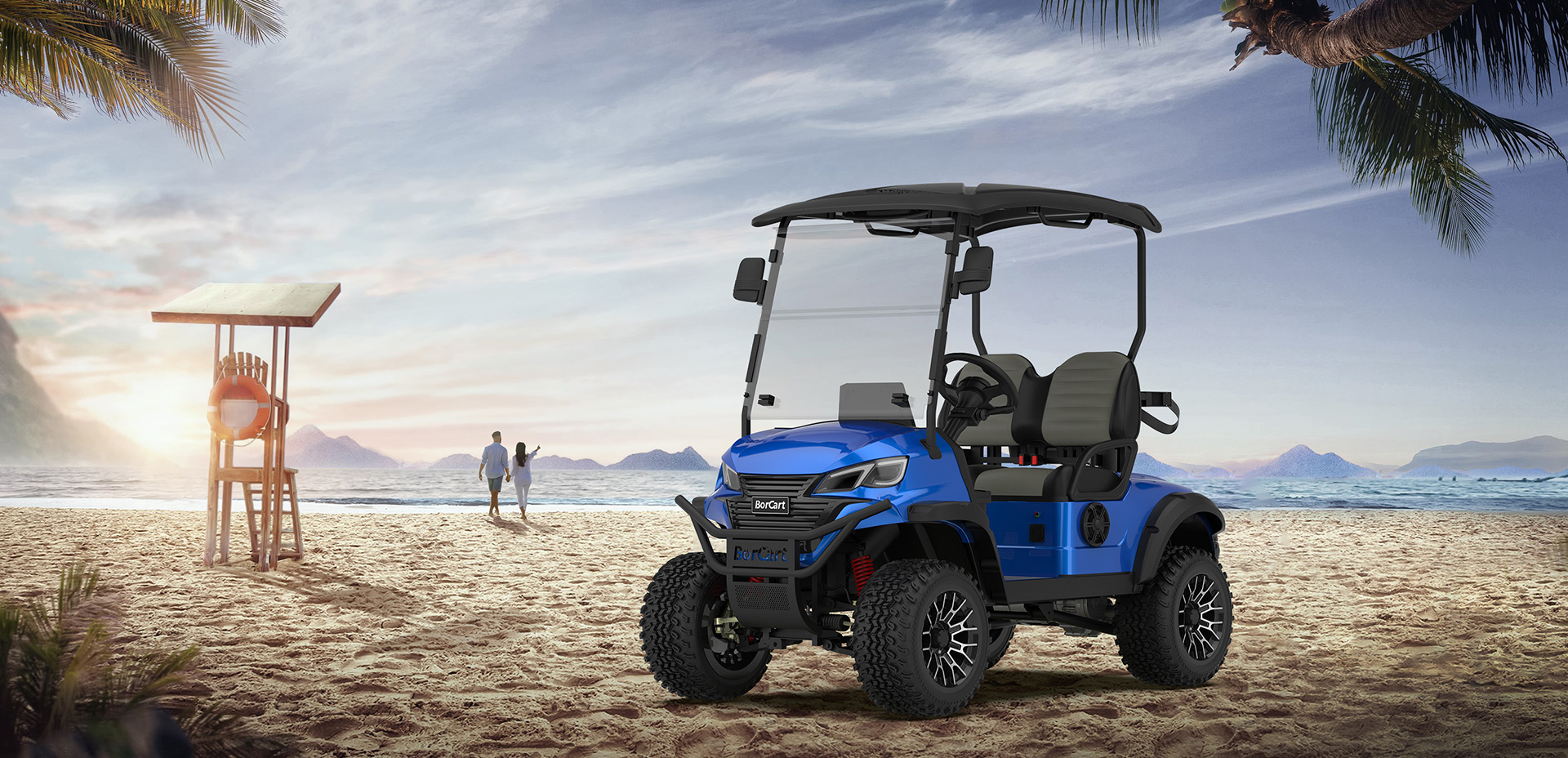
Send BorCart your application, destination market, fleet quantity, required load, cargo dimensions, and daily route profile.
Request a configuration-specific proposal covering the vehicle layout, battery and charger, rated capacities, customization scope, documentation, spare-parts support, and delivery terms. For demanding or unfamiliar applications, agree on a pilot vehicle and acceptance criteria before committing to the full fleet.
Frequently Asked Questions
What is the best utility golf cart for property maintenance?
Choose according to the load, route, charging access, and service support. The Carryall 500 and Hauler PRO-X offer useful production-model benchmarks. A custom vehicle may suit specialized bodies or workflows.
Is lithium always better than lead-acid?
No. Compare purchase cost, maintenance resources, charging opportunities, battery warranty, and replacement support. The appropriate choice depends on the operating schedule and complete vehicle configuration.
Can a utility golf cart carry passengers and cargo together?
Yes, when designed for that arrangement. Occupants and cargo must remain within the applicable total payload, seating, bed, axle, and tire limits.
Are electric utility golf carts suitable for farms?
They can suit defined property routes and appropriately rated loads. Confirm traction, gradients, weather protection, charging access, and towing restrictions. Severe terrain may require a different vehicle category.
What should I send a custom utility cart manufacturer?
Provide your application, quantity, destination, seating, cargo dimensions, load requirements, route conditions, and daily operating schedule. Include drawings or photographs when layout matters.
Should customer reviews influence fleet selection?
Yes, when they are verifiable and relevant to comparable work. Prioritize comments about parts availability, warranty handling, charging reliability, and sustained commercial use over appearance-focused ratings.
References
1. CartFinder — “Best Utility Golf Carts for Work, Property, and Hauling”. Original article used to assess coverage and identify areas requiring clearer qualification; its general price, range, and payback claims were not adopted as universal benchmarks.
2. Club Car — Carryall 500 Full Specifications. Source for the Carryall 500’s bed capacity, total payload, lithium drivetrain, and listed battery configurations. Configuration-specific specifications should be reconfirmed before purchase.
3. Cushman — Hauler PRO-X Product Page and Specifications. Source for starting MSRP, lithium powertrain, ground clearance, bed capacity, vehicle load capacity, and manufacturer-described features. Pricing is a published starting figure, not a delivered quotation.
4. Cushman — Hauler 800 Product Page and Specifications. Source for the ELiTE model’s 400 lb bed capacity and 800 lb vehicle load capacity.
5. Electronic Code of Federal Regulations — 49 CFR § 571.500, Standard No. 500: Low-Speed Vehicles. Primary regulatory source for the U.S. federal equipment and performance discussion; not a substitute for state or local operating rules.
Hot Tags: Utility Golf Carts, Electric Utility Vehicles, Electric Golf Cart Manufacturer, Utility Golf Cart Manufacturer, Electric Cargo Vehicles, Commercial Utility Vehicles, Custom Golf Carts, Wholesale Golf Carts, OEM Golf Carts, ODM Electric Vehicles