Content Menu
● Why the Georgian Buyer Started With a Five-Vehicle Trial Order
>> A higher quote was a reason to ask for evidence
>> Delivery changed the conversation from price to dealer interest
● ET-L2+2 vs. ET-L4+2 vs. an 8-Seater Electric Sightseeing Bus
>> Check usable seats and departures, not just advertised capacity
● How to Run an Electric Golf Cart Fleet Trial
● Compare Landed Cost Before Deciding Whether the Price Is High
● From Pilot Order to BorCart Dealer: What to Agree Before You Scale
>> 1. What did the Georgian customer order from BorCart?
>> 2. Is the ET-L2+2 or ET-L4+2 better for a hotel?
>> 3. Does an 8-seater sightseeing bus carry eight guests plus a driver?
>> 4. How many vehicles should an importer buy for a trial?
>> 5. What should a buyer request before approving a production order?
>> 6. Did the Georgian customer become a BorCart dealer?
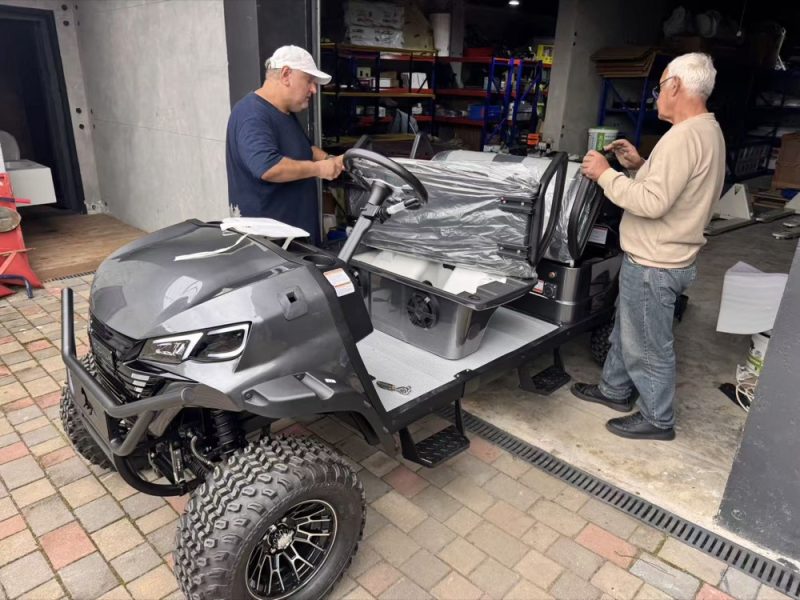
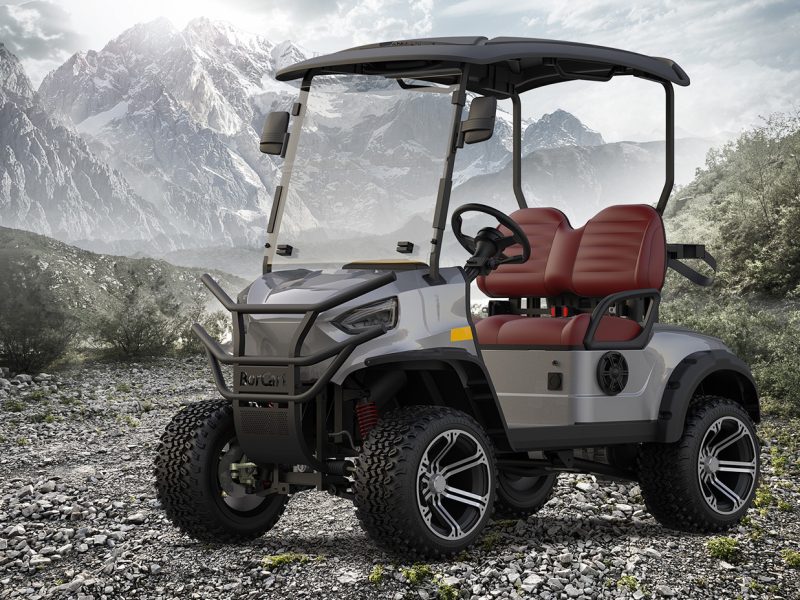
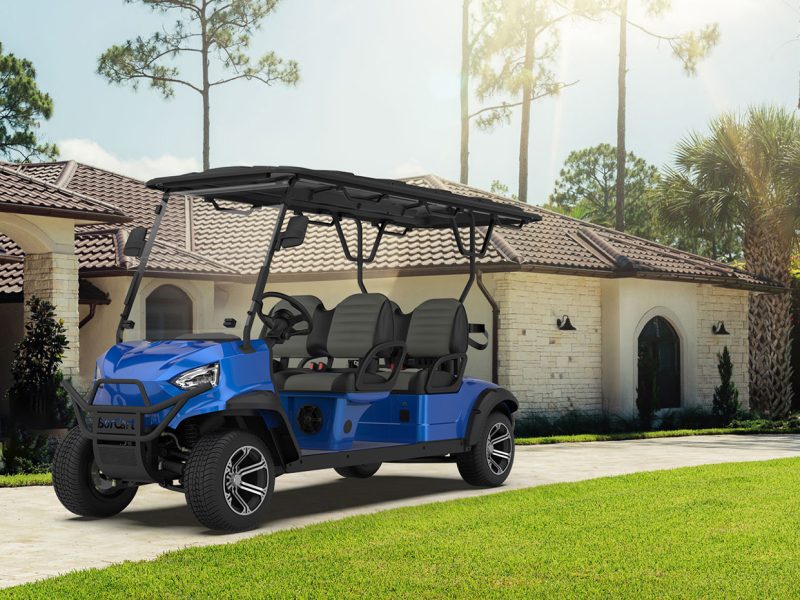
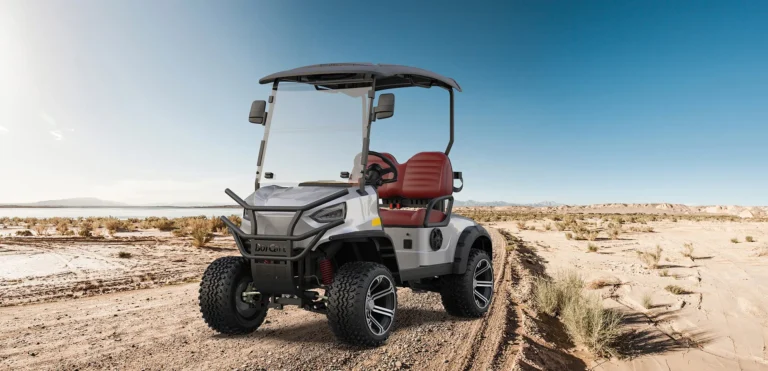
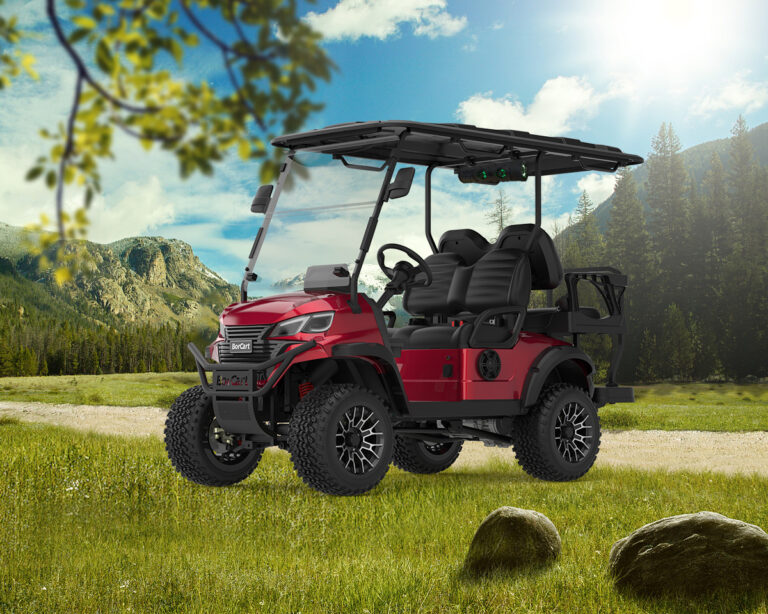
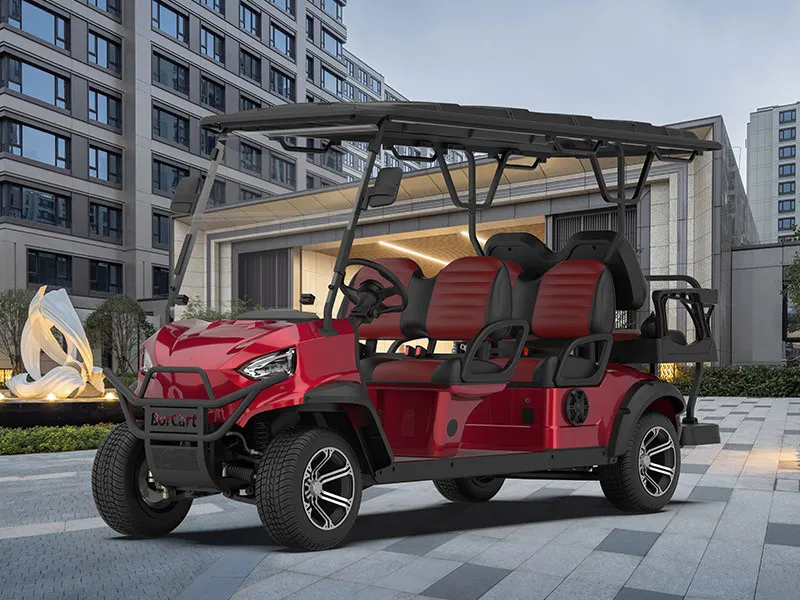
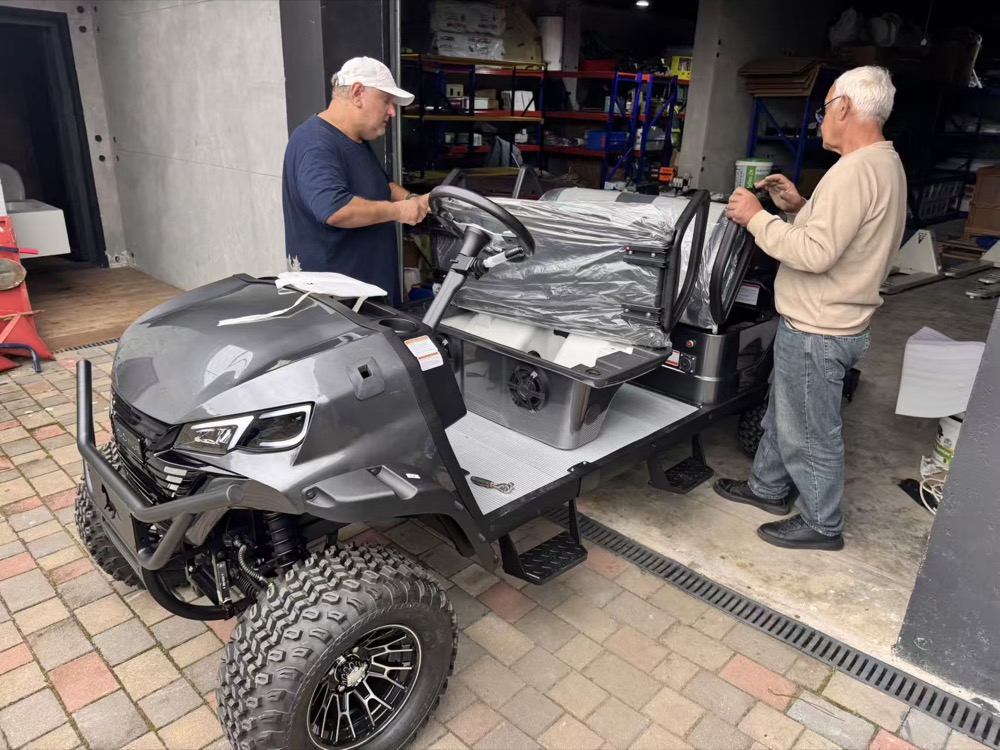
After more than six months of discussions, a customer in Georgia placed a five-vehicle trial order with us. The case involved two electric golf carts—the ET-L2+2 and ET-L4+2—and an 8-seater electric sightseeing bus. Price had been the main sticking point. After receiving the vehicles, the buyer praised their quality and the experience of using them, told us their customers liked the vehicles, and expressed interest in becoming a BorCart dealer.
What stands out to us as a manufacturer is that the buyer didn’t have to settle the price debate before placing the order. They bought enough vehicles to evaluate the product firsthand without committing to a larger purchase. The feedback was encouraging, but it wasn’t a long-term reliability study or a signed dealership agreement. For importers, resort operators, and prospective dealers, that distinction is useful: a first order should answer specific questions and give you a sound basis for deciding whether to expand.
Why the Georgian Buyer Started With a Five-Vehicle Trial Order
A higher quote was a reason to ask for evidence
The buyer considered our price high, and that concern persisted through months of communication. From a procurement standpoint, the objection was reasonable. A higher quote doesn’t prove that a vehicle is better, and a lower quote doesn’t tell you whether the battery, charger, accessories, freight terms, and after-sales support are comparable.
We recommend putting competing quotes side by side with the specifications and exclusions visible. If one supplier includes an accessory and another lists it separately, adjust the comparison before drawing conclusions. If one quote covers freight to a named port and another stops at the factory, don’t treat the difference as a vehicle premium. Once the scope is aligned, you can use the trial to evaluate the things the quotation can’t show: how the vehicle feels to drive, how passengers board, and how it fits into the buyer’s daily operation.
Delivery changed the conversation from price to dealer interest
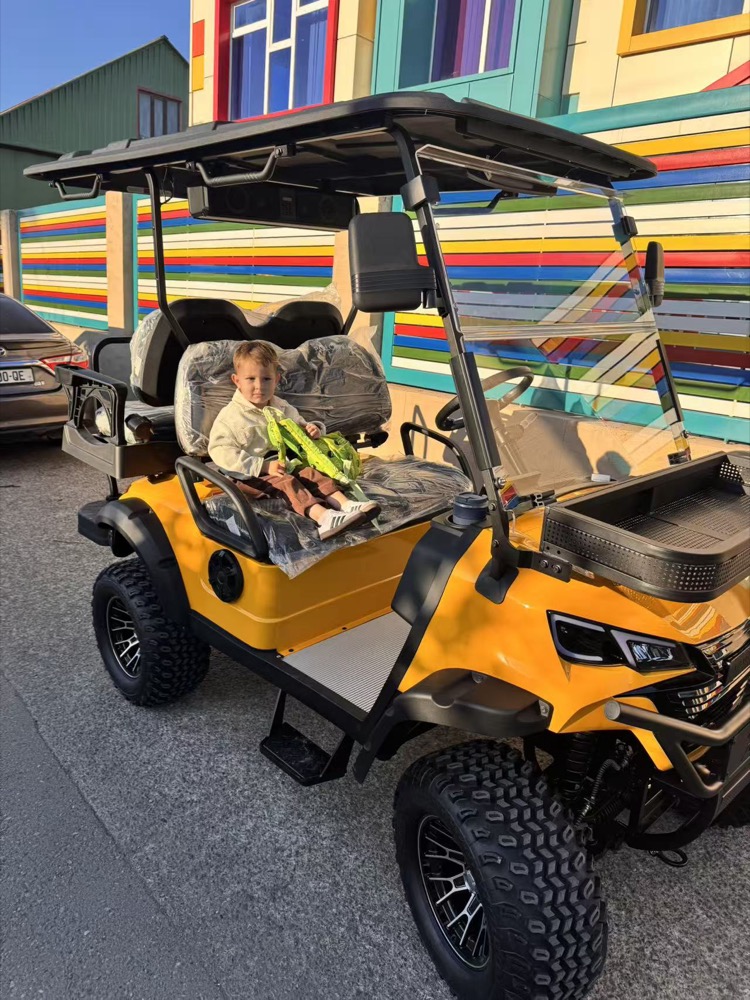
The customer’s post-delivery feedback was positive on two fronts: they were pleased with the vehicles, and they reported that their own customers liked them. They then expressed interest in becoming a dealer. That sequence matters because the interest came after they received the product, not simply after a sales presentation.
There are limits to what the case tells us. The feedback comes from our sales summary, not a public customer review or an independent inspection. It does not include a verbatim testimonial, a model-by-model order breakdown, or measured performance figures. We can say the trial generated positive feedback and a dealership inquiry. We can’t say it established fleet-wide durability, resale demand, or dealer profitability.
ET-L2+2 vs. ET-L4+2 vs. an 8-Seater Electric Sightseeing Bus
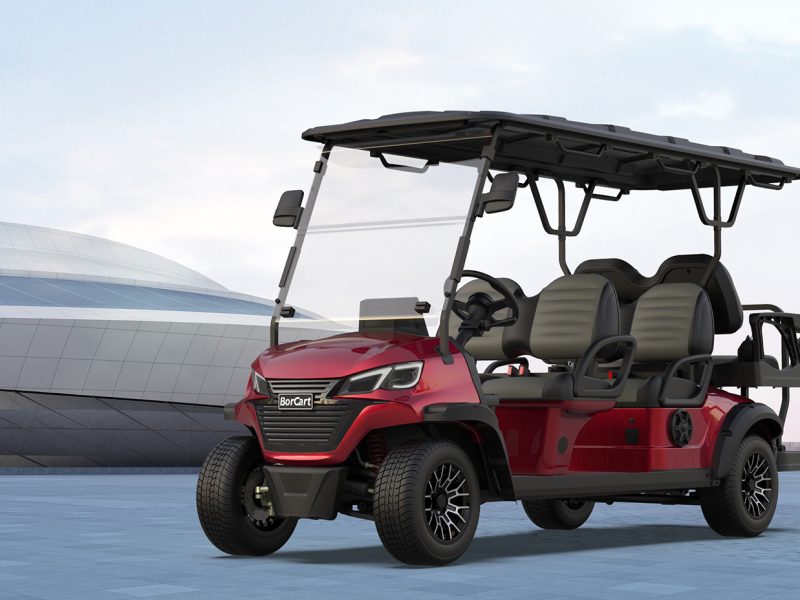
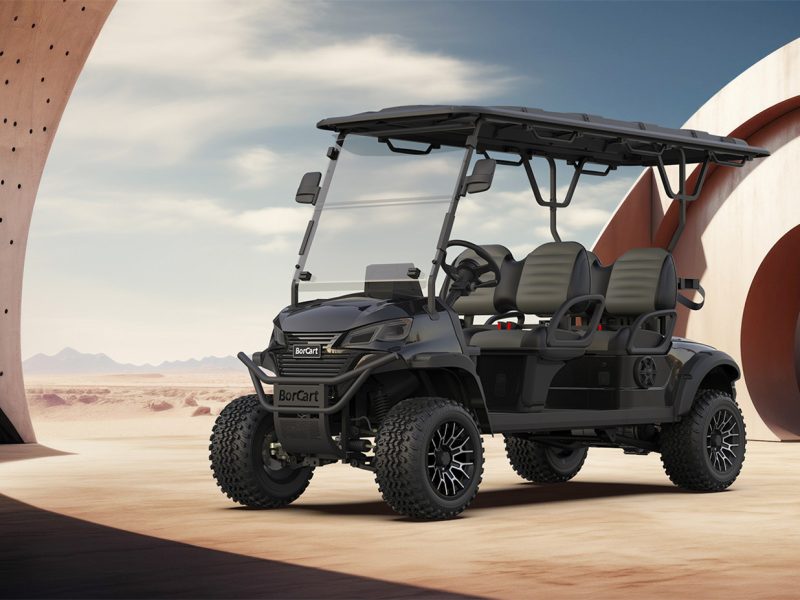
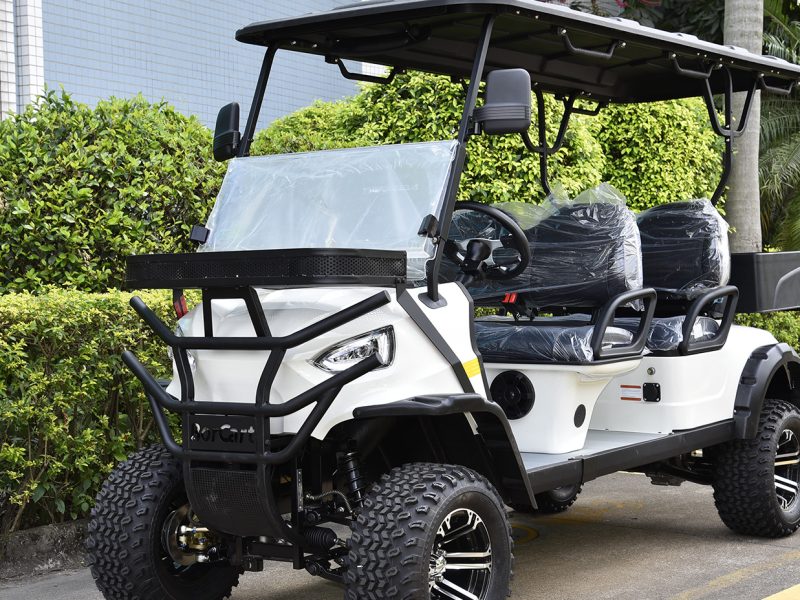
Start with the route rather than the seat count. A hotel transferring small parties between reception and guest buildings has a different job from a scenic attraction moving groups at scheduled intervals. A six-seat cart may reduce trips on a busy route; a four-seat cart may be a better fit for shorter runs with smaller groups and tighter stops. An eight-seat sightseeing vehicle is worth comparing when group movement is routine rather than occasional. BorCart’s public materials identify the ET-L2+2 as a four-seat model and list multiple eight-seat sightseeing configurations. Request the exact drawings and specifications for the configuration you intend to buy.
| Vehicle | When to consider it | What to verify before ordering |
|---|---|---|
| ET-L2+2 electric golf cart | Small-party transfers at hotels, golf resorts, or private properties | Seat orientation; whether stated capacity includes the driver; boarding access; storage for bags |
| ET-L4+2 electric golf cart | Routes where groups regularly exceed four occupants but an eight-seat vehicle may be more than you need | Seating drawing; usable passenger capacity; loaded performance on grades; fit at narrow stops |
| 8-seater electric sightseeing bus | Scenic-area tours, scheduled resort shuttles, or group transfers | Exact model code; driver-inclusive seat count; turning space; boarding height; suitability for the intended route |
Check usable seats and departures, not just advertised capacity
Suppose a route needs to move 24 guests and the buyer confirms that two vehicles can carry four and seven guests respectively, excluding the driver. The four-guest vehicle needs six departures. The seven-guest vehicle needs four. That’s a useful comparison, but it doesn’t settle the purchase: if the larger vehicle takes longer to turn around or can’t serve one of the stops, the apparent advantage may shrink.
Use the same exercise with your busiest 30-minute window and a typical off-peak period. Count luggage, allow for boarding time, and measure the space at the most constrained pickup point. A prospective dealer can use this exercise with customers, too. It gives a hotel or attraction a reason to choose a particular model beyond appearance or price.
How to Run an Electric Golf Cart Fleet Trial
A trial is more valuable when the buyer and supplier agree in advance on what a pass looks like. Test the configuration you expect to reorder, not a demonstration unit with a different battery, tire package, or seating layout. The checklist below is our recommended procurement framework, not a report of tests performed on the Georgian order.
- Document the route. Record round-trip distance, surface conditions, the steepest section, the tightest turn, and the busiest stop. Note where and when vehicles can charge.
- Test a representative load. Once the site and operator are ready, run the route with a load within the vehicle’s rated limits that reflects actual service. Have trained staff assess starts, stops, turns, and boarding under controlled conditions.
- Log a realistic shift. Track trips, distance, loads, and the indicated battery charge at the start and end. Record charging time and any interruptions. Repeat the check on a busy day if demand varies.
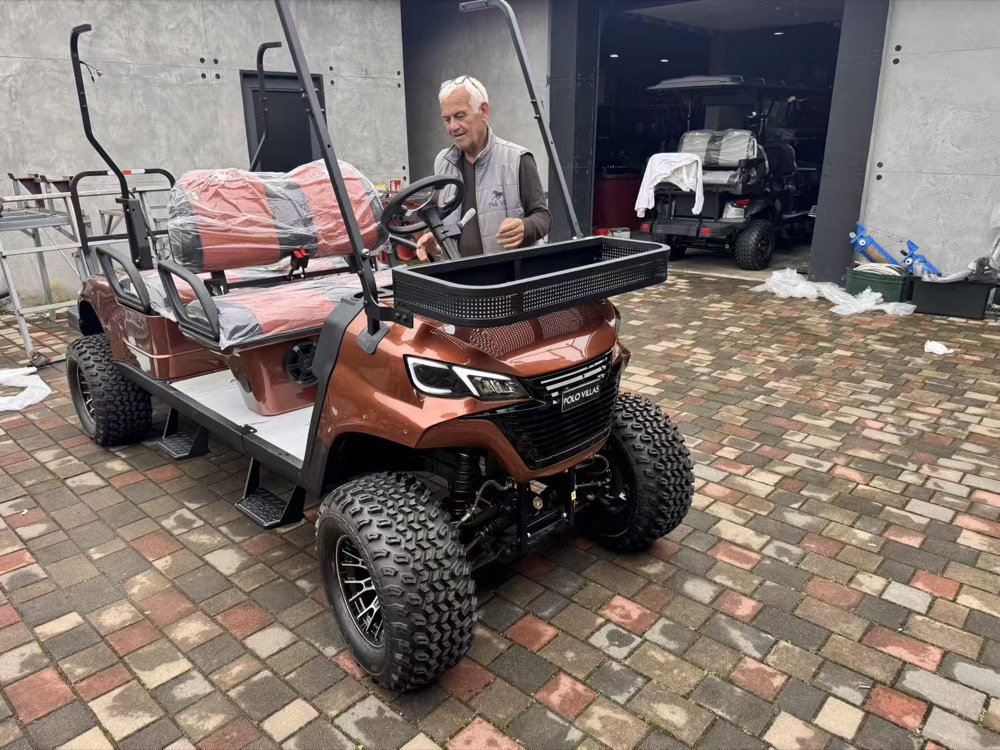
- Inspect the delivered specification. Compare the vehicles with the signed order sheet. Check the identification labels, seating arrangement, charger, and accessories. Photograph any discrepancies before putting the vehicles into routine service.
- Collect feedback separately. Drivers can report on controls and maneuverability. Passengers can comment on access and comfort. Maintenance staff can flag service-access issues or missing documentation. Ask each group for specific observations rather than a general rating.
Set the acceptance threshold before the vehicles arrive. For example, a hotel might need one cart to complete its morning transfer schedule without an unscheduled charge and turn at every designated stop without reversing into a pedestrian area. If the cart misses either requirement, investigate whether the answer is a different specification, a revised route, or another model.
Compare Landed Cost Before Deciding Whether the Price Is High
Landed cost is what it costs to get the vehicle to the agreed destination. For a dealer, it’s the starting point, not the whole business case. Compare quotes using the same currency, delivery point, configuration, and order quantity; then calculate what it takes to prepare and support the vehicle locally.
- At purchase: Vehicle price, mandatory options, accessories, and the agreed shipping terms.
- At import: Freight, insurance, applicable duties and taxes, customs brokerage, and local transport, as relevant to the quote.
- At handover: Assembly or pre-delivery inspection, charger installation requirements, staff training, and initial spare parts.
- In service: Maintenance, parts replenishment, downtime exposure, and who pays for warranty labor or replacement-part freight.
One question often reveals a gap in the comparison: if a vehicle is taken out of service, who diagnoses the issue, where does the part come from, and who pays to fit it? Ask both suppliers to answer in writing. The lower-priced vehicle may still be the better buy. The point is to know whether the saving comes from a genuine price advantage or from work and risk the quote leaves with you.
From Pilot Order to BorCart Dealer: What to Agree Before You Scale
A positive response to a trial can justify a dealership discussion. Before reserving territory or ordering inventory, separate customer enthusiasm from buying intent: which model would they purchase, at what specification, and for which route or site? Then check whether your team can demonstrate and support that configuration locally.
Agree on the first models to stock, spare parts availability, technical training, and how warranty claims will be handled. Put minimum orders, lead times, territory, and any exclusivity in writing rather than assuming they come with a dealer relationship. If you request OEM/ODM customization—such as your branding or a project-specific configuration—confirm what must be approved before production and whether the same specification can be reordered. BorCart offers customization across its low-speed electric vehicle range.
Planning a trial fleet or evaluating a dealership? Contact Guangzhou BorCart Electric Vehicle Co., Ltd. with your destination, expected order quantity, passenger demand, route conditions, and customization requirements. Ask for a model-by-model quotation covering the ET-L2+2, ET-L4+2, and the most suitable 8-seater electric sightseeing bus, with delivery terms, service documentation, and parts support stated separately.
Frequently Asked Questions
1. What did the Georgian customer order from BorCart?
The customer placed an initial order for five vehicles. The case identifies the ET-L2+2, ET-L4+2, and an 8-seater electric sightseeing bus, but it does not state how many units of each model were purchased.
2. Is the ET-L2+2 or ET-L4+2 better for a hotel?
Compare the ET-L2+2 for small parties and the ET-L4+2 when additional seats could eliminate repeat trips. Before deciding, check how much luggage guests carry and whether the vehicle can board and turn comfortably at each stop.
3. Does an 8-seater sightseeing bus carry eight guests plus a driver?
Don’t assume it does. Request the seating drawing and written confirmation of total occupants and guest capacity for the exact model. Use the confirmed guest count to plan trips, and verify any local requirements for the route before purchase.
4. How many vehicles should an importer buy for a trial?
Five was this buyer’s choice, not a universal minimum. Start with the smallest order that lets you test the distinct configurations and routes you plan to sell or operate. One model can answer a question about a single route; a mixed trial can help you compare roles.
5. What should a buyer request before approving a production order?
Ask for a signed specification sheet, seating layout, battery and charger details, an itemized quotation, delivery terms, warranty coverage, and a spare-parts list. For customized orders, confirm the approved drawings or branding files and record which version will govern production.
6. Did the Georgian customer become a BorCart dealer?
The customer expressed interest in becoming a dealer after receiving the vehicles. The case notes do not confirm a signed agreement. Treat dealership status as a separate commercial decision from the trial purchase.
References
1. Guangzhou BorCart Electric Vehicle Co., Ltd. — Georgia Five-Vehicle Trial Order Case Summary. Internal sales summary supplied for this article; source for the negotiation timeline, five-vehicle order, reported customer feedback, and dealership interest. No public link or verbatim customer review was provided.
2. Guangzhou BorCart Electric Vehicle Co., Ltd. — BorCart Manufacturer and Product Overview. Manufacturer source for company background, product categories, and customization services.
3. Guangzhou BorCart Electric Vehicle Co., Ltd. — Sightseeing Bus Product Range and Vehicle Demonstration Library. Manufacturer sources for publicly listed eight-seat options and the ET-L2+2 demonstration. These pages do not document the Georgian buyer’s exact build specifications.
Hot Tags: Electric Golf Cart Manufacturer, Electric Golf Cart Supplier, Wholesale Electric Golf Carts, OEM Golf Carts, Golf Cart Distributors, Commercial Golf Carts, Golf Course Fleet Carts, 4-Seater Electric Golf Cart, 6-Seater Electric Golf Cart, 8-Seater Electric Sightseeing Bus