Content Menu
● Luxury Golf Cart vs. Standard Golf Cart: Key Differences
● Purchase Price vs. Total Cost of Ownership
>> Why the Cheapest Cart Can Cost More
● Passenger Comfort: When Luxury Golf Carts Create Resort Value
>> Evaluate the Whole Passenger Journey
>> Connect Comfort to a Specific Service
● Battery, Range, and Charging: Compare Specifications, Not Labels
>> Flooded Lead-Acid vs. Lithium Batteries
>> Validate Range Under Working Conditions
● Performance, Safety, and Terrain Suitability
>> Keep Road Authorization Separate
● Maintenance and After-Sales Support: Where Value Is Protected
● Resort Buying Strategy: Match Each Cart to Its Assignment
● Dealer Buying Strategy: Margin Is Only Part of the Equation
>> Consider Inventory Turn Alongside Margin
● A Worked Value Test: How Much Must the Upgrade Earn?
● A Practical Golf Cart Procurement Process
>> Step 1: Write the Operating Brief
>> Step 2: Request Comparable Quotations
>> Step 4: Calculate Cost per Completed Assignment
>> Step 5: Approve the Production Specification
● How BorCart Supports a Better-Matched Fleet
>> Is a luxury golf cart worth the extra cost for a resort?
>> Can a standard golf cart use a lithium battery?
>> Do luxury golf carts offer longer range?
>> Which golf carts are better for dealers?
>> Can resorts customize standard golf carts?
>> Are luxury golf carts automatically street legal?
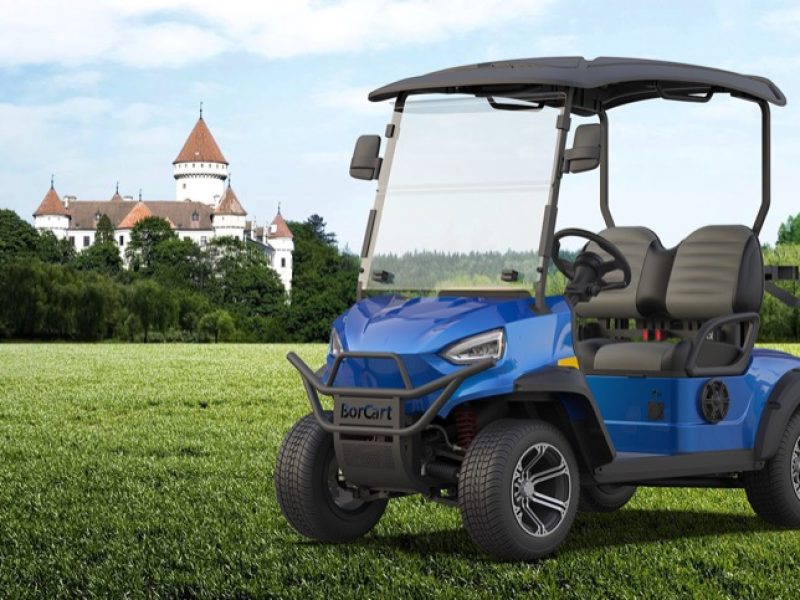
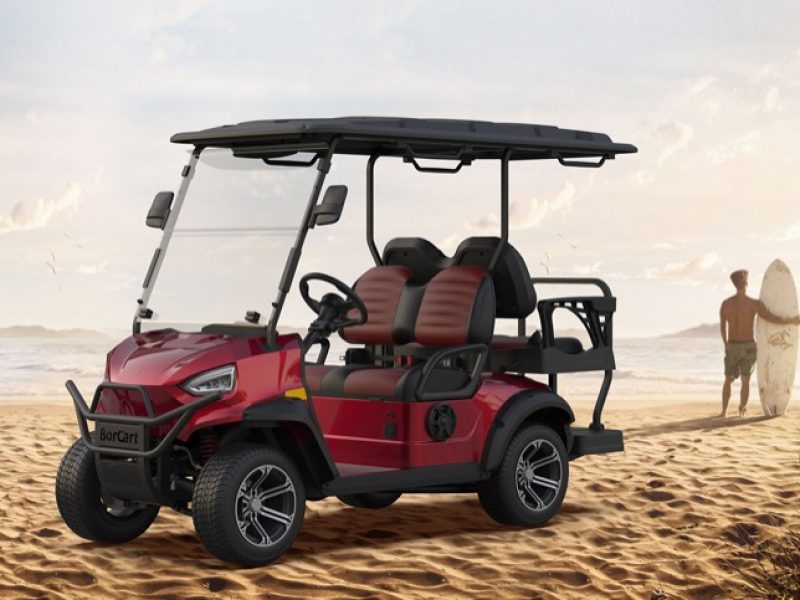
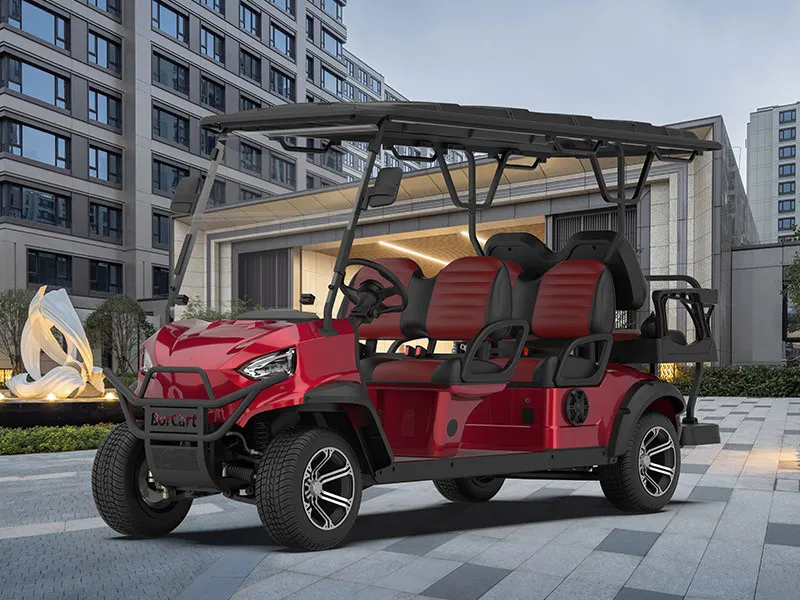
A luxury golf cart delivers better value when its comfort, presentation, and practical upgrades generate measurable commercial benefits. A standard golf cart wins when dependable transportation, straightforward maintenance, and controlled investment matter most. For resorts and dealers, the right choice depends less on the label and more on how each vehicle performs, earns, and receives support.
At Guangzhou BorCart Electric Vehicle Co., Ltd., our manufacturing perspective starts with the assignment: who will use the cart, where it will operate, and what a successful working day looks like. With 26 years of industry experience and OEM/ODM capabilities, we approach this comparison as a fleet-planning decision—not simply a choice between basic and premium styling.
Luxury Golf Cart vs. Standard Golf Cart: Key Differences
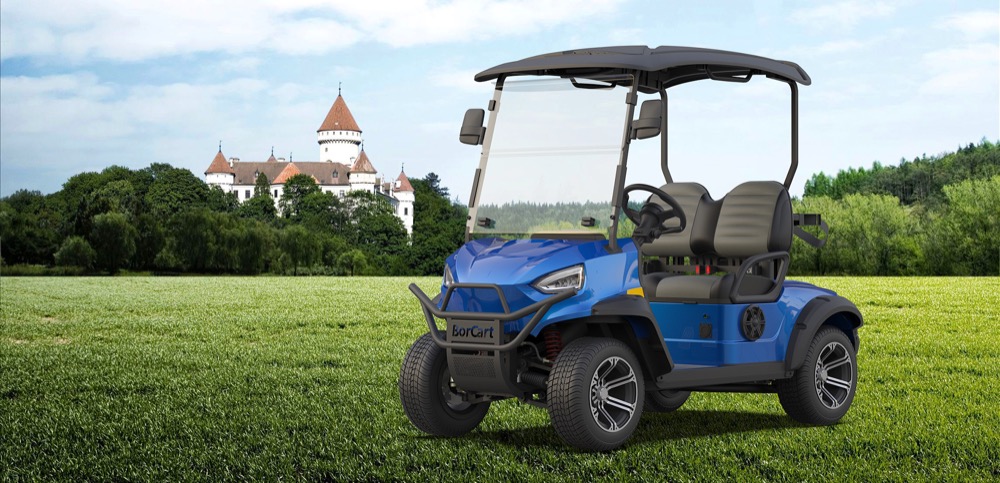
“Luxury” and “standard” are commercial descriptions, not universal engineering classifications. A premium-looking cart does not automatically have better brakes, a stronger chassis, or greater usable range.
Compare written specifications rather than category names.
| Comparison factor | Standard golf cart | Luxury golf cart | What buyers should verify |
|---|---|---|---|
| Initial investment | Usually prioritizes affordability | Usually includes a higher equipment allowance | Identical seating and delivery terms |
| Passenger comfort | Functional seating and protection | May offer upgraded upholstery and suspension | Comfort on actual operating routes |
| Appearance | Practical, repeatable fleet styling | More distinctive finishes and detailing | Finish consistency and replacement availability |
| Battery system | Depends on specification | Depends on specification | Chemistry, usable capacity, and warranty |
| Technology | Essential operating controls | May include displays, audio, or cameras | Usefulness, repairability, and support |
| Customization | Focused branding and functional options | Broader appearance and equipment packages | Engineering compatibility and documentation |
| Commercial value | Lower-cost transport capacity | Potential premium positioning | Evidence of utilization and contribution |
The most important distinction is this: a well-specified standard electric golf cart can outperform a poorly matched luxury model.
Purchase Price vs. Total Cost of Ownership
A quotation shows acquisition cost. It does not show the full financial commitment.
For a commercial electric golf cart fleet, calculate total ownership cost across your intended holding period:
- Vehicle purchase and delivery.
- Import duties and applicable taxes.
- Charging equipment and electrical preparation.
- Electricity consumption.
- Scheduled maintenance and replacement parts.
- Battery replacement allowances.
- Downtime and substitute transport.
- Disposal costs, less expected resale proceeds.
Use consistent assumptions when comparing suppliers. One quotation may include freight, batteries, and accessories while another excludes them.
Why the Cheapest Cart Can Cost More
A lower purchase price loses its advantage if replacement parts arrive slowly or technicians spend excessive time diagnosing faults.
Conversely, a luxury cart can become unnecessarily expensive when rarely used accessories add repair exposure without improving service.
My procurement recommendation is to separate every proposed upgrade into three categories: operational necessity, revenue opportunity, or appearance preference. This makes the premium easier to justify—or remove.
Passenger Comfort: When Luxury Golf Carts Create Resort Value
For resorts, transportation forms part of the guest experience. However, the value of comfort depends on journey length, route conditions, passenger needs, and service positioning.
Evaluate the Whole Passenger Journey
A short transfer across smooth paths may not require elaborate equipment. Longer transfers with luggage deserve closer attention to:
- Seat support and usable passenger space.
- Step height and handhold placement.
- Suspension behavior over uneven surfaces.
- Roof coverage and weather protection.
- Secure luggage accommodation.
- Conversation comfort during travel.
Test these features with representative passengers and loads. Showroom impressions cannot establish how a vehicle behaves during a busy arrival period.
Premium upholstery also needs practical scrutiny. Ask about cleaning procedures, replacement cushion availability, and suitability for the operating environment.
Connect Comfort to a Specific Service
A luxury golf cart for resorts has a clearer business case when assigned to a defined service, such as villa arrivals, wedding transfers, or private property tours.
Do not assume upgraded carts automatically increase room revenue or guest satisfaction. Measure complaints, waiting times, service uptake, and passenger feedback before expanding the premium fleet.
Battery, Range, and Charging: Compare Specifications, Not Labels
Battery technology is independent of luxury positioning. Neither a touchscreen nor premium seating proves that a cart has more usable energy.
Flooded Lead-Acid vs. Lithium Batteries
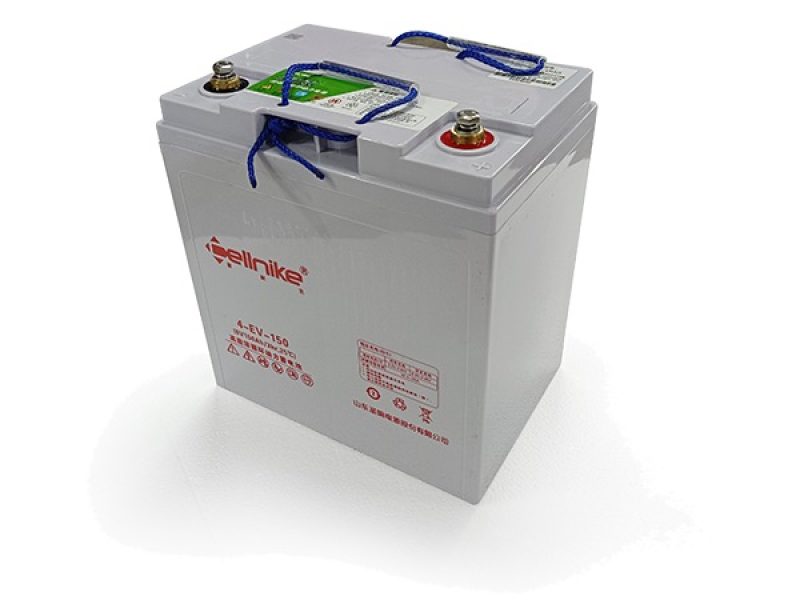
Flooded lead-acid batteries require electrolyte inspections and watering according to manufacturer instructions. They also require appropriate handling, cleaning, and charging ventilation.
Lithium batteries do not require watering. However, they still need compatible charging equipment, inspections, and manufacturer-approved operating and storage practices.
For either system, request:
- Battery chemistry and nominal energy capacity.
- Recommended operating limits.
- Charger compatibility and electrical requirements.
- Warranty exclusions and capacity-retention terms.
- Replacement pricing and local availability.
Avoid comparing battery life using unsupported cycle counts. Test conditions and permitted discharge levels must be comparable.
Validate Range Under Working Conditions
Published range is useful only when its test conditions are understood.
Request a demonstration that reflects your passenger load, gradients, stops, accessories, and daily schedule. Record remaining charge after representative shifts.
Charging plans should follow the vehicle’s actual charger requirements. Do not assume equipment intended for passenger electric cars is suitable for golf carts.
Performance, Safety, and Terrain Suitability
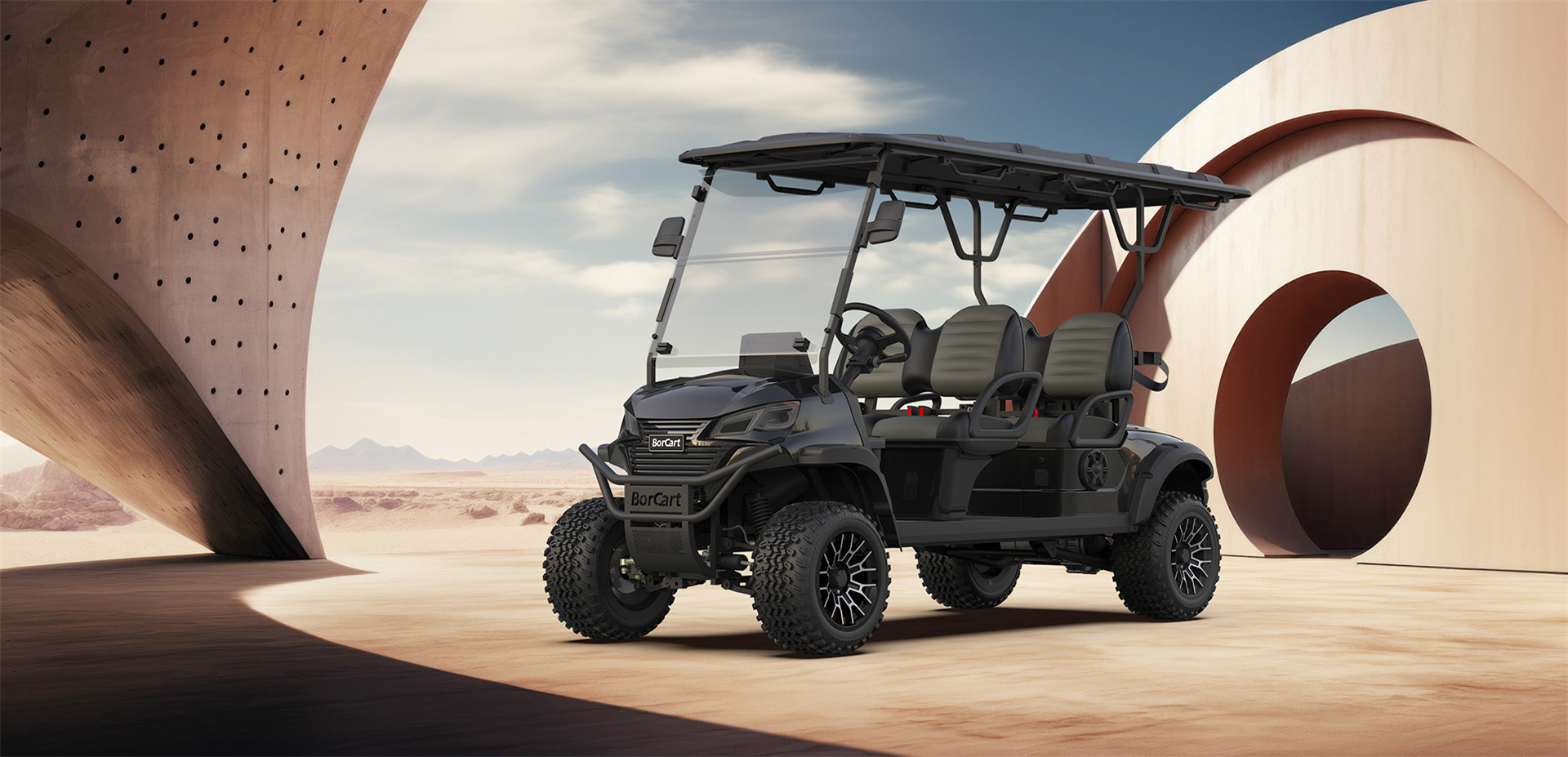
A luxury golf cart is not automatically faster, safer, or better on hills.
Assess motor and controller specifications alongside vehicle mass, gearing, rated payload, tires, braking equipment, and manufacturer-approved operating limits.
For hilly resorts, verify loaded climbing ability and controlled downhill operation. For agricultural or utility work, examine payload distribution and cargo restraint rather than decorative upgrades.
Keep Road Authorization Separate
Premium lighting, mirrors, or upgraded wheels do not establish public-road eligibility.
Vehicle classification, certification, registration, insurance, and permitted routes depend on the destination market. Require documentation for the exact configuration being purchased.
Private-property operation also needs route planning, driver training, pedestrian awareness, and clearly defined operating rules.
Maintenance and After-Sales Support: Where Value Is Protected
Both standard and luxury electric golf carts need maintenance. Tires, brakes, steering, suspension, electrical connections, and charging equipment remain part of the service plan.
Additional equipment creates additional components to inspect and potentially replace. That does not make luxury models unreliable; it makes support quality more important.
Before ordering, ask:
- Which consumables and critical parts should be stocked locally?
- Are wiring diagrams, manuals, and diagnostic procedures available?
- Who approves warranty claims and pays associated labor?
- Which components are shared across models?
- What happens when a display, controller, or charger becomes obsolete?
For dealers, consistent components can simplify training and inventory. For resorts, documented repair procedures help reduce dependence on a single technician.
A detailed warranty is more useful than a broad assurance of “excellent service.”
Resort Buying Strategy: Match Each Cart to Its Assignment
Buying the same specification for every department is not always economical.
A mixed fleet deserves consideration:
| Assignment | Configuration worth evaluating |
|---|---|
| VIP arrivals and private tours | Premium passenger cart with practical comfort upgrades |
| Routine internal transfers | Standard passenger cart with easy-clean finishes |
| Housekeeping and maintenance | Purpose-built utility or cargo vehicle |
| Security patrols | Configuration matched to patrol routes and equipment |
| Larger scheduled guest movements | Appropriately sized sightseeing vehicle |
Keep specialist duties distinct. A passenger cart with an improvised cargo arrangement may be less suitable than a purpose-built electric cargo vehicle.
Where possible, retain common service components across different fleet roles. Customization should solve operational problems without creating avoidable parts complexity.
Dealer Buying Strategy: Margin Is Only Part of the Equation
For dealers comparing luxury golf carts vs. standard golf carts, the key question is not simply which has the higher selling price.
Evaluate contribution after landed cost, preparation, sales commissions, financing, delivery, warranty allowances, and after-sales support.
Consider Inventory Turn Alongside Margin
A premium cart may produce more contribution per sale but tie up capital longer. A standard cart may generate less per unit while selling more consistently.
Neither outcome should be assumed without local sales evidence.
Track:
- Days in inventory.
- Demonstration-to-sale conversion.
- Discounting required to close.
- Accessory attachment rates.
- Warranty cost per delivered vehicle.
- Repeat and referral sales.
A practical opening strategy is a limited range of clearly differentiated configurations. Expand after actual demand identifies which combinations deserve inventory.
A Worked Value Test: How Much Must the Upgrade Earn?
The following is an illustrative planning example—not a BorCart quotation, customer case study, or market-price claim.
Suppose a resort compares equivalent-capacity carts and finds:
| Planning assumption | Amount |
|---|---|
| Additional premium purchase cost | $3,000 |
| Evaluation period | Five years |
| Additional annual maintenance allowance | $100 |
| Annualized premium to recover | $700 |
The simple calculation is $3,000 divided by five years, plus $100 annually.
If each paid transfer contributes $10 after its incremental delivery costs, the premium requires 70 additional transfers annually to break even under these assumptions.
This excludes financing, tax effects, discounting, battery-cost differences, and resale differences. Add those before approving an investment.
The useful insight is not the sample result. It is the discipline of converting an upgrade into a measurable operational or commercial target.
A Practical Golf Cart Procurement Process
Step 1: Write the Operating Brief
Document seating, luggage, daily distance, gradients, operating hours, climate, charging access, and destination requirements.
Step 2: Request Comparable Quotations
Specify identical capacity, battery requirements, accessories, delivery terms, warranty scope, and spare-parts inclusions.
Step 3: Run a Loaded Trial
Use representative routes and loads. Record energy use, charging time, passenger feedback, handling, and access for maintenance.
Step 4: Calculate Cost per Completed Assignment
For a resort, this might mean cost per passenger transfer. For a dealer, compare contribution against inventory investment and holding time.
Step 5: Approve the Production Specification
Confirm drawings, colors, component lists, inspection criteria, documentation, and change-control procedures before volume production.
This process makes fit for purpose more important than equipment count.
How BorCart Supports a Better-Matched Fleet
Guangzhou BorCart Electric Vehicle Co., Ltd. develops and manufactures electric golf carts, sightseeing buses, cargo vehicles, patrol vehicles, and multipurpose electric vehicles.
Our OEM/ODM approach allows buyers to discuss passenger layouts, branding, finishes, and application-specific requirements. Each proposed configuration should be confirmed through an agreed specification, technical review, and destination-market assessment.
Send BorCart your fleet quantity, intended application, passenger or cargo requirements, route conditions, and destination market. Request two like-for-like proposals: a practical standard configuration and a targeted premium alternative, with warranty scope, recommended spares, and delivery terms clearly itemized.
Frequently Asked Questions
Is a luxury golf cart worth the extra cost for a resort?
Yes, when its upgrades support a defined service and justify their cost through measurable benefits. Otherwise, a well-specified standard cart may offer better value.
Can a standard golf cart use a lithium battery?
Yes, when the vehicle, battery, charger, and associated electrical systems are compatible. Lithium power is not exclusive to luxury configurations.
Do luxury golf carts offer longer range?
Not necessarily. Compare usable battery energy and range under equivalent load, terrain, speed, and operating conditions.
Which golf carts are better for dealers?
The better choice depends on local demand, inventory turnover, contribution margin, and service capability. A balanced, evidence-led product mix is safer than assuming premium models always outperform.
Can resorts customize standard golf carts?
Yes. Branding, seating, weather protection, and functional accessories can be specified where technically suitable. Confirm compatibility and replacement-part support before ordering.
Are luxury golf carts automatically street legal?
No. Appearance and accessories do not establish road authorization. Verify the exact vehicle’s certification and local operating requirements.
References
1. BorCart – “Custom Golf Carts Manufacturer & Factory” – Manufacturer-provided background covering establishment, manufacturing experience, product categories, and customization capabilities. https://www.borcartev.com/
2. U.S. Department of Energy, Alternative Fuels Data Center – “Electric Vehicles for Fleets” – Guidance on fleet planning, charging, technician training, warranties, servicing, and downtime. Passenger-vehicle cost figures were not applied to golf carts. https://afdc.energy.gov/vehicles/electric-fleets
3. Trojan Battery – “How to Easily Maintain Your Flooded Lead Acid Battery: A Guide from Trojan Battery Experts” – Technical guidance on watering, inspection, charging ventilation, cleaning, and storage. https://www.trojanbattery.com/resources/white-papers-and-articles/how-to-maintain-your-flooded-lead-acid-battery
4. Cart Mart – “Golf Cart Battery Maintenance Guide” – Golf-cart-specific guidance distinguishing flooded lead-acid, sealed, and lithium battery maintenance requirements. https://cartmart.com/pages/golf-cart-battery-maintenance
5. Cart Mart – “What Is an LSV? Low-Speed Vehicle Guide” – Explanation of the distinction between golf carts and federally defined low-speed vehicles; local authorization requires separate verification. https://cartmart.com/pages/what-is-an-lsv
Hot Tags: Luxury Golf Cart, Standard Golf Cart, Electric Golf Cart Manufacturer, Wholesale Golf Carts, Golf Cart Supplier, Resort Golf Carts, Custom Golf Carts, OEM Golf Carts, Golf Cart Fleet, Golf Carts For Dealers