Content Menu
● Customized Golf Cart vs. Standard Golf Cart: Key Differences
● What Does Golf Cart Customization Actually Include?
>> Appearance and Private-Label Branding
>> Functional and Engineering Changes
>> OEM and ODM Responsibilities
● When Is a Standard Golf Cart the Better Choice?
>> When the Existing Platform Already Fits
>> When Launch Timing Is Critical
>> When Local Service Compatibility Matters Most
● When Is a Customized Golf Cart Better for OEM Fleet Projects?
>> When Your Fleet Has a Specialized Job
>> When Your Brand Needs Meaningful Differentiation
>> When Multiple Applications Can Share One Platform
● Performance Comparison: Range, Payload, Terrain, and Charging
>> Battery Capacity vs. Real Operating Range
>> Motor Output vs. Loaded Hill Performance
>> Battery Chemistry and Charger Compatibility
● Safety and Compliance: Customization Is Not Certification
● Total Cost of Ownership: Compare More Than Purchase Price
>> Illustrative Break-Even Example
● A Practical OEM Fleet Project Workflow
>> 1. Build an Operational Brief
>> 2. Request Comparable Quotations
>> 3. Approve a Representative Pilot Vehicle
>> 4. Freeze the Approved Configuration
>> 5. Prepare After-Sales Support Before Shipment
● Our Recommendation: Customize the Mission, Standardize the Support
>> Is a customized golf cart always more expensive?
>> Can a standard golf cart support private labeling?
>> How long does a custom golf cart OEM project take?
>> What is the most important custom fleet specification?
>> Does customization make a golf cart street legal?
>> Should every vehicle in a fleet have identical specifications?
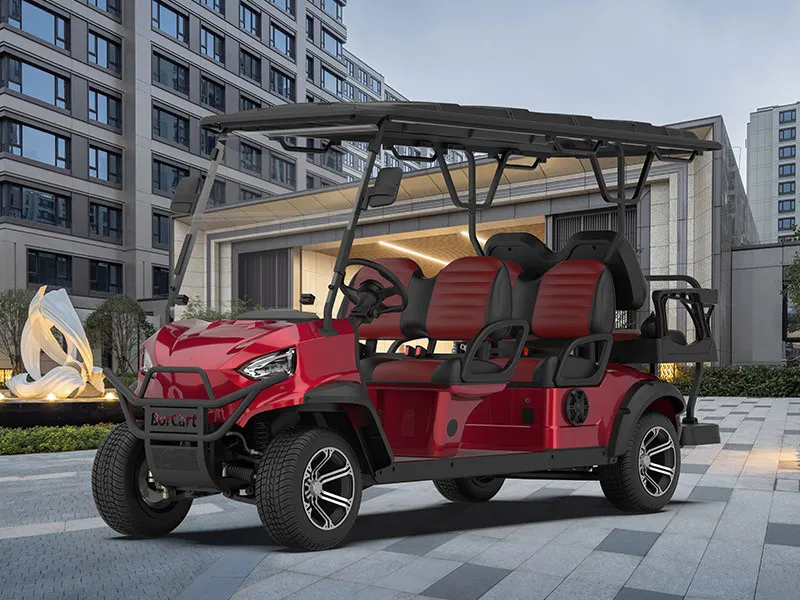
A customized golf cart is usually the better choice for OEM fleet projects requiring distinctive branding, specialized working capabilities, or market-specific configurations. A standard golf cart is often more practical when predictable specifications, straightforward servicing, and a faster purchasing process matter most.
The right decision depends on what your fleet must accomplish—not how many accessories you can add.
At Guangzhou BorCart Electric Vehicle Co., Ltd., our manufacturing perspective starts with the operating environment. Drawing on 26 years of industry experience, we focus on electric golf carts and multifunctional vehicles for golf courses, hotels, scenic destinations, campuses, and agricultural applications.
This guide compares both approaches and explains how to build an OEM fleet specification that balances commercial value with operational reliability.
Customized Golf Cart vs. Standard Golf Cart: Key Differences
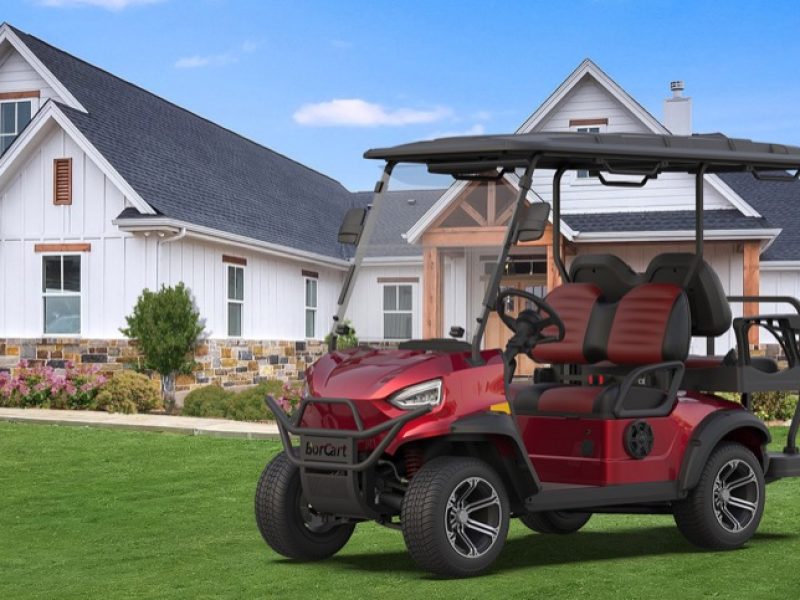
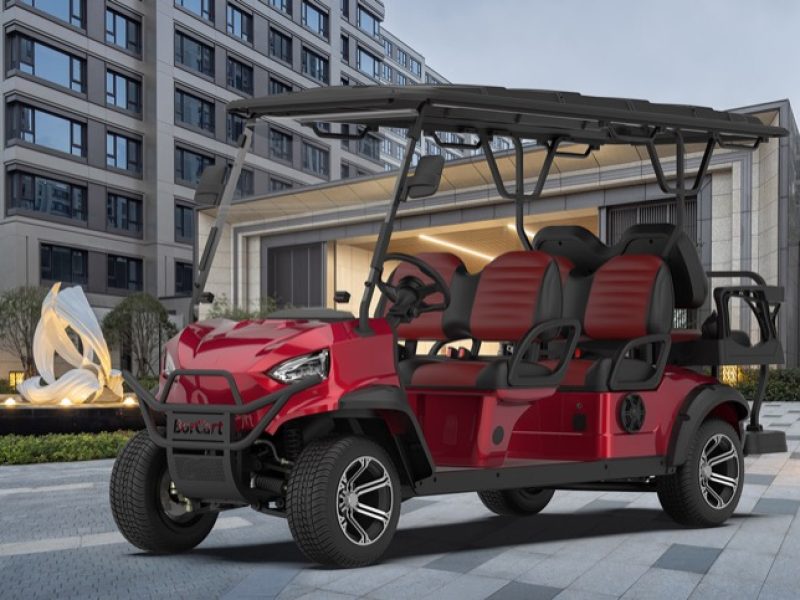
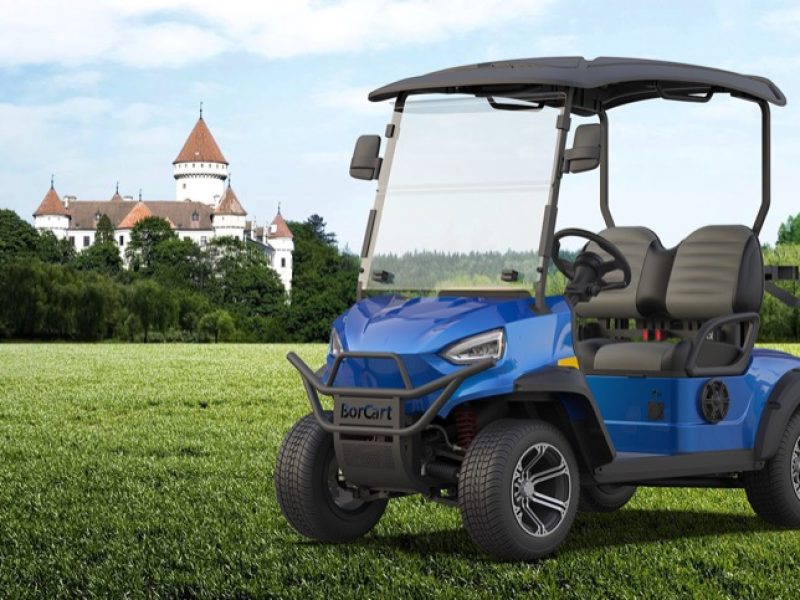
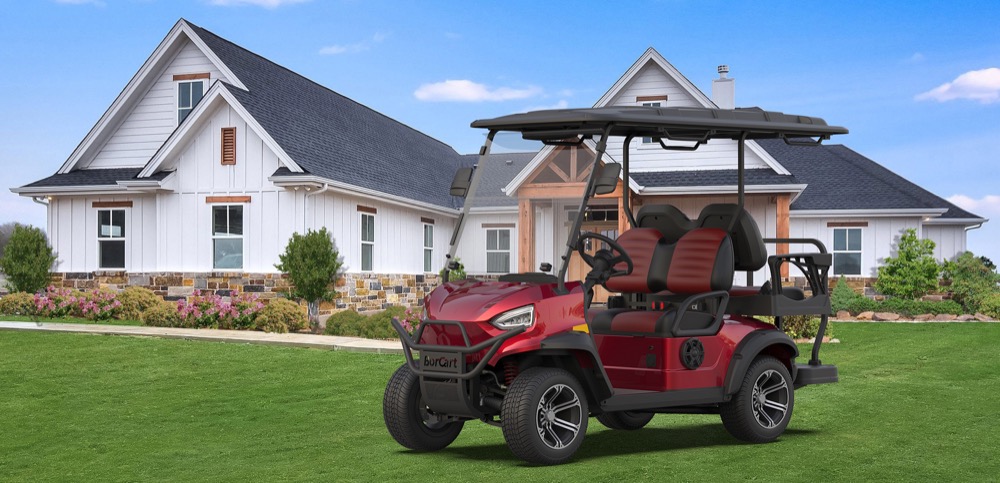
A standard golf cart uses an established manufacturer configuration, sometimes with catalog options. A customized golf cart changes selected features to meet a buyer’s branding, operational, or technical requirements.
Customization exists on a spectrum. A private-label vehicle with different colors is not the same engineering project as a redesigned chassis.
| Comparison factor | Standard golf cart | Customized golf cart |
|---|---|---|
| Initial investment | Usually lower development expenditure | May include engineering, tooling, and validation |
| Procurement timeline | Generally simpler when the configuration is available | Depends on modification scope and approvals |
| Brand identity | Limited to available finishes and accessories | Greater control over appearance and customer experience |
| Functional suitability | Effective when standard specifications match the task | Can address specific passenger, cargo, or route requirements |
| Maintenance | Easier when common components are locally supported | Depends on component standardization and documentation |
| Production repeatability | Established configuration | Requires controlled specifications and change management |
| Best application | Routine transport with predictable requirements | Differentiated fleets or specialized working environments |
Neither category guarantees quality. A well-supported standard vehicle can outperform a poorly validated custom design.
What Does Golf Cart Customization Actually Include?
Appearance and Private-Label Branding
Entry-level customization may include:
- Brand logos and badges.
- Body colors and graphics.
- Seat colors and upholstery.
- Roof finishes.
- Dashboard styling.
For distributors and hospitality operators, these details can create a consistent customer-facing identity without necessarily changing the underlying vehicle platform.
However, specify practical requirements alongside appearance. Seat materials should suit cleaning routines, while graphics and finishes should be evaluated for the intended outdoor exposure.
Functional and Engineering Changes
More extensive custom golf cart manufacturing can involve seating layouts, cargo modules, battery configurations, suspension selection, and motor-controller matching.
These changes require closer technical review.
A heavier battery affects vehicle mass. Additional passengers affect payload requirements. Larger tires can influence gearing, braking, clearance, and vehicle behavior.
My procurement rule is straightforward: treat every substantial modification as a system change, not an isolated upgrade.
OEM and ODM Responsibilities
OEM and ODM labels are used differently across suppliers. Do not assume the label alone defines design ownership or development responsibility.
Your agreement should identify:
- Who owns drawings, tooling, and branding assets.
- Which party approves component changes.
- Who provides market-specific compliance documentation.
- Whether designs or territories are exclusive.
- How replacement parts will remain available.
Clear responsibilities matter more than terminology.
When Is a Standard Golf Cart the Better Choice?
When the Existing Platform Already Fits
A standard electric golf cart can be the strongest commercial option when its seating, range, payload, and charging requirements match the application.
For a golf course with predictable routes and an established maintenance team, additional engineering may bring little operational benefit.
Standardization can also simplify driver training and reduce the number of spare-part variants.
When Launch Timing Is Critical
An established configuration generally involves fewer development decisions than a substantially modified vehicle.
Nevertheless, “standard” does not mean “in stock.” Battery availability, production scheduling, shipping arrangements, and destination requirements still affect delivery.
Request a written schedule covering production completion, inspection, dispatch, and expected arrival rather than relying on a single lead-time estimate.
When Local Service Compatibility Matters Most
Existing service capabilities can outweigh the appeal of exclusive components.
Before ordering, compare the proposed vehicle with your technicians’ diagnostic tools, charger knowledge, and parts inventory.
A familiar, supported platform may deliver better availability than a distinctive fleet that depends on difficult-to-source components.
When Is a Customized Golf Cart Better for OEM Fleet Projects?
When Your Fleet Has a Specialized Job
Customization becomes valuable when a standard vehicle creates recurring compromises.
Examples include:
- Resort carts requiring protected luggage storage.
- Patrol vehicles needing dedicated equipment mounting.
- Maintenance carts carrying tools and supplies.
- Agricultural utility carts operating on uneven routes.
- Guest transport requiring a specific seating arrangement.
The key question is whether the modification solves a measurable operating problem.
For heavier cargo or larger passenger groups, a purpose-built electric utility vehicle or sightseeing bus may be more appropriate than modifying a golf cart beyond its intended role.
When Your Brand Needs Meaningful Differentiation
Private-label golf carts can help distributors offer a recognizable product range.
However, cosmetic differences alone are easy to imitate. Stronger differentiation can come from a coordinated package: appropriate seating, intuitive controls, practical storage, documented service procedures, and consistent replacement parts.
The most useful customization improves what customers experience every day.
When Multiple Applications Can Share One Platform
A resort may need passenger transport, housekeeping vehicles, and patrol carts.
Where engineering permits, a common underlying platform with approved role-specific configurations can reduce unnecessary variety.
This creates a useful middle ground: standardized service components combined with application-specific bodies, seating, or equipment.
Performance Comparison: Range, Payload, Terrain, and Charging
Battery Capacity vs. Real Operating Range
Do not select a customized golf cart solely because it offers a larger battery.
Actual range depends on route conditions, load, speed, temperature, accessories, and battery condition. A larger pack may also increase purchase cost and vehicle mass.
Define a representative operating day:
- Record distance and operating hours.
- Identify passenger and cargo loads.
- Map slopes and surface conditions.
- Document accessory use.
- Confirm available charging windows.
- Agree on a reserve for operational variability.
Then validate the proposed configuration under comparable conditions.
Motor Output vs. Loaded Hill Performance
A higher advertised motor rating does not, by itself, establish better hill-climbing capability.
Motor characteristics, gearing, controller settings, thermal limits, traction, and loaded vehicle mass all matter.
Ask suppliers to distinguish short-duration climbing capability from sustained operation. A brief demonstration on an incline is not equivalent to repeated loaded trips throughout a shift.
Battery Chemistry and Charger Compatibility
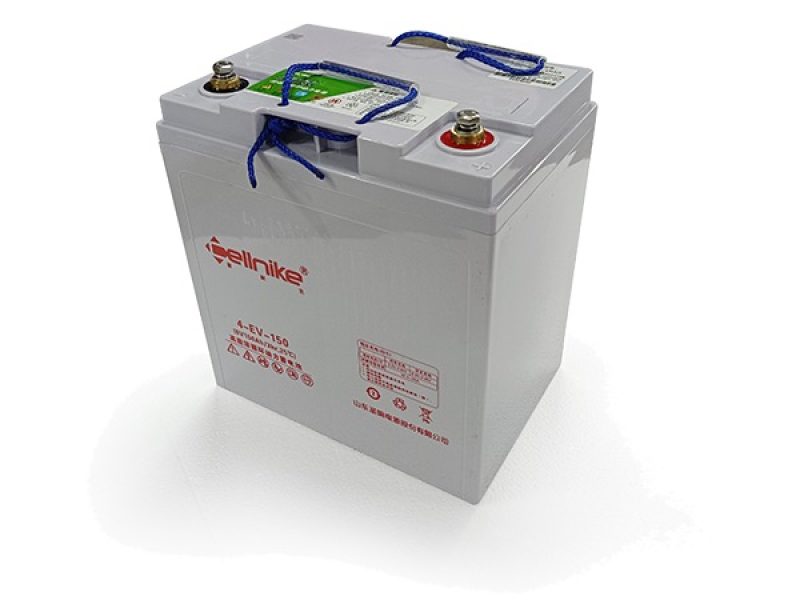
Compare lithium and lead-acid options as complete systems rather than assuming one is universally better.
Review charging requirements, usable capacity, maintenance instructions, warranty conditions, replacement availability, and local technical support.
The charger must match the approved battery system. Follow manufacturer instructions, and leave battery servicing to appropriately trained personnel.
Safety and Compliance: Customization Is Not Certification
A customized golf cart does not automatically become road legal when lights, mirrors, or seat belts are added.
For example, the United States defines a low-speed vehicle through specific criteria, including four wheels, a maximum attainable speed above 20 mph and no more than 25 mph under the prescribed test conditions, and a gross vehicle weight rating below 3,000 pounds.
Applicable federal requirements and state or local operating rules must be evaluated separately.
For international OEM fleet projects, confirm:
- Intended use on private property or public roads.
- Destination vehicle classification.
- Required testing and documentation.
- Importer and manufacturer responsibilities.
- Whether modifications affect the approved configuration.
Never treat “street-ready” language in a quotation as sufficient compliance evidence.
Total Cost of Ownership: Compare More Than Purchase Price
The fairest financial comparison uses the same operating period and assumptions for both options.
Include:
- Vehicle purchase and development costs.
- Freight, duties, and delivery preparation.
- Charging equipment and site work.
- Electricity.
- Scheduled servicing and replacement parts.
- Battery replacement allowances.
- Downtime and backup capacity.
- Expected residual value.
Customization can reduce operating friction, but savings should be demonstrated rather than assumed.
Illustrative Break-Even Example
Suppose a custom configuration costs an additional $800 per vehicle and is expected to save $250 annually through documented operating efficiencies.
The simple payback would be 3.2 years.
For 40 vehicles, that represents $32,000 in additional initial investment and $10,000 in estimated annual savings.
These figures are hypothetical—not BorCart pricing, customer results, or an industry benchmark. They exclude financing, discounting, and uncertainty.
Use your own route data and supplier quotations before making an investment decision.
A Practical OEM Fleet Project Workflow
1. Build an Operational Brief
Describe routes, loads, shifts, climate, parking, charging, and service capabilities.
Separate mandatory requirements from preferences. “Carry maintenance equipment securely” is more useful than “install a larger cargo box” before engineering review.
2. Request Comparable Quotations
Ask each supplier to quote against the same specification.
Require a breakdown of development charges, tooling, minimum order quantity, sample costs, production timing, warranty coverage, and spare parts.
Different inclusions can make apparently similar prices misleading.
3. Approve a Representative Pilot Vehicle
For meaningful technical changes, evaluate a pilot before committing to full production.
Check:
- Loaded route completion.
- Braking and parking performance.
- Passenger entry and exit.
- Cargo restraint and access.
- Charging practicality.
- Noise, vibration, and driver usability.
- Service access.
Agree on safe test procedures and measurable acceptance criteria before testing begins.
4. Freeze the Approved Configuration
Record the bill of materials, approved drawings, battery and charger models, controller settings, finishes, and inspection criteria.
Define how component substitutions are approved.
A successful prototype is only useful if production vehicles reproduce its relevant characteristics.
5. Prepare After-Sales Support Before Shipment
Confirm manuals, wiring diagrams, maintenance schedules, warranty procedures, and recommended spare parts.
For overseas fleets, clarify who diagnoses problems locally and who authorizes corrective action.
Service planning belongs in procurement—not after the first breakdown.
Our Recommendation: Customize the Mission, Standardize the Support
From our manufacturing perspective, the strongest OEM fleet strategy often combines an established platform with carefully selected customization.
Keep proven, supportable components where they meet the requirement. Invest development effort where it improves the vehicle’s actual job.
BorCart’s product range includes electric golf carts, sightseeing vehicles, cargo vehicles, patrol vehicles, and multipurpose working vehicles. Our OEM/ODM offering includes private labeling and configurable features, with availability and engineering scope confirmed for each project.
A standard golf cart is the better purchase when it already meets the brief. A customized golf cart is the better investment when validated changes create enough operational or commercial value to justify their cost.
For a project-specific comparison, send Guangzhou BorCart Electric Vehicle Co., Ltd. your destination market, fleet quantity, operating routes, passenger or cargo requirements, charging conditions, and branding brief. Request both a standard-platform proposal and a customized alternative, with development scope and support requirements clearly separated.
Frequently Asked Questions
Is a customized golf cart always more expensive?
Not necessarily in every quoted configuration, but engineering changes, tooling, samples, and validation can increase initial expenditure. Compare equivalent specifications and lifecycle assumptions rather than headline prices.
Can a standard golf cart support private labeling?
Often, yes. Depending on the supplier, logos, colors, and upholstery may be available without major platform changes. Confirm order quantities, artwork approval, and finish specifications.
How long does a custom golf cart OEM project take?
There is no reliable universal timeline. Branding changes and structural redesigns require different work. Request a milestone schedule covering engineering, samples, approval, production, and shipping.
What is the most important custom fleet specification?
The operating duty cycle: how the vehicle travels, what it carries, and when it charges. These requirements should guide battery, drivetrain, seating, and cargo decisions.
Does customization make a golf cart street legal?
No. Road eligibility depends on the destination’s vehicle classification, applicable requirements, documentation, and operating restrictions—not the number of accessories installed.
Should every vehicle in a fleet have identical specifications?
Not always. Different jobs may justify different configurations. Where practical, retain common service components and introduce only the variations needed for each role.
References
1. Guangzhou BorCart Electric Vehicle Co., Ltd. – “Wholesale Golf Carts: Manufacturer and OEM/ODM Product Overview” – Primary company source for product categories, private labeling, and customization options. Company experience and application details also draw on the background supplied for this article. https://www.borcart.com/golf-carts.html
2. National Highway Traffic Safety Administration – “Laboratory Test Procedure for FMVSS No. 500: Low-Speed Vehicles, TP-500-02” – Primary source for the cited U.S. vehicle classification and speed-testing criteria. https://www.nhtsa.gov/sites/nhtsa.gov/files/tp-500-02.pdf
3. National Highway Traffic Safety Administration – “Interpretation ID: Dynasty_002301” – Regulatory explanation of low-speed vehicle classification and applicable federal compliance obligations. https://www.nhtsa.gov/interpretations/dynasty002301
4. National Highway Traffic Safety Administration – “Electric and Hybrid Vehicles: Battery, Charging & Safety” – General guidance supporting manufacturer-directed charging practices and qualified battery servicing; not a golf-cart-specific performance benchmark. https://www.nhtsa.gov/vehicle-safety/electric-and-hybrid-vehicles
Hot Tags: Customized Golf Cart, Standard Golf Cart, OEM Golf Cart Manufacturer, Custom Golf Cart Manufacturer, Wholesale Golf Carts, Electric Golf Cart Manufacturer, OEM Golf Cart Fleet, Private Label Golf Carts, Golf Cart OEM ODM Services, Custom Electric Utility Vehicles